7 hr
Blue Lagoon Beginner Scuba Dive in Padangbai
- Expert local guide
- Small group
- Skip-the-line access
- Free cancellation
Bali Diving — Wrecks, Walls & Open-Water Certification
Volcanic drop-offs and war-time steel, clearest before the wind arrives
Compare fares, pick the fit — all bookings are mobile-voucher and eligible for free cancellation where shown.
7 hr
72 hr
1 hr 30 min
| Experience | Duration | Rating | Pickup | Skip-the-line | Guide | Free cancel. | Price | |
|---|---|---|---|---|---|---|---|---|
|
Guided Experience
Most popular
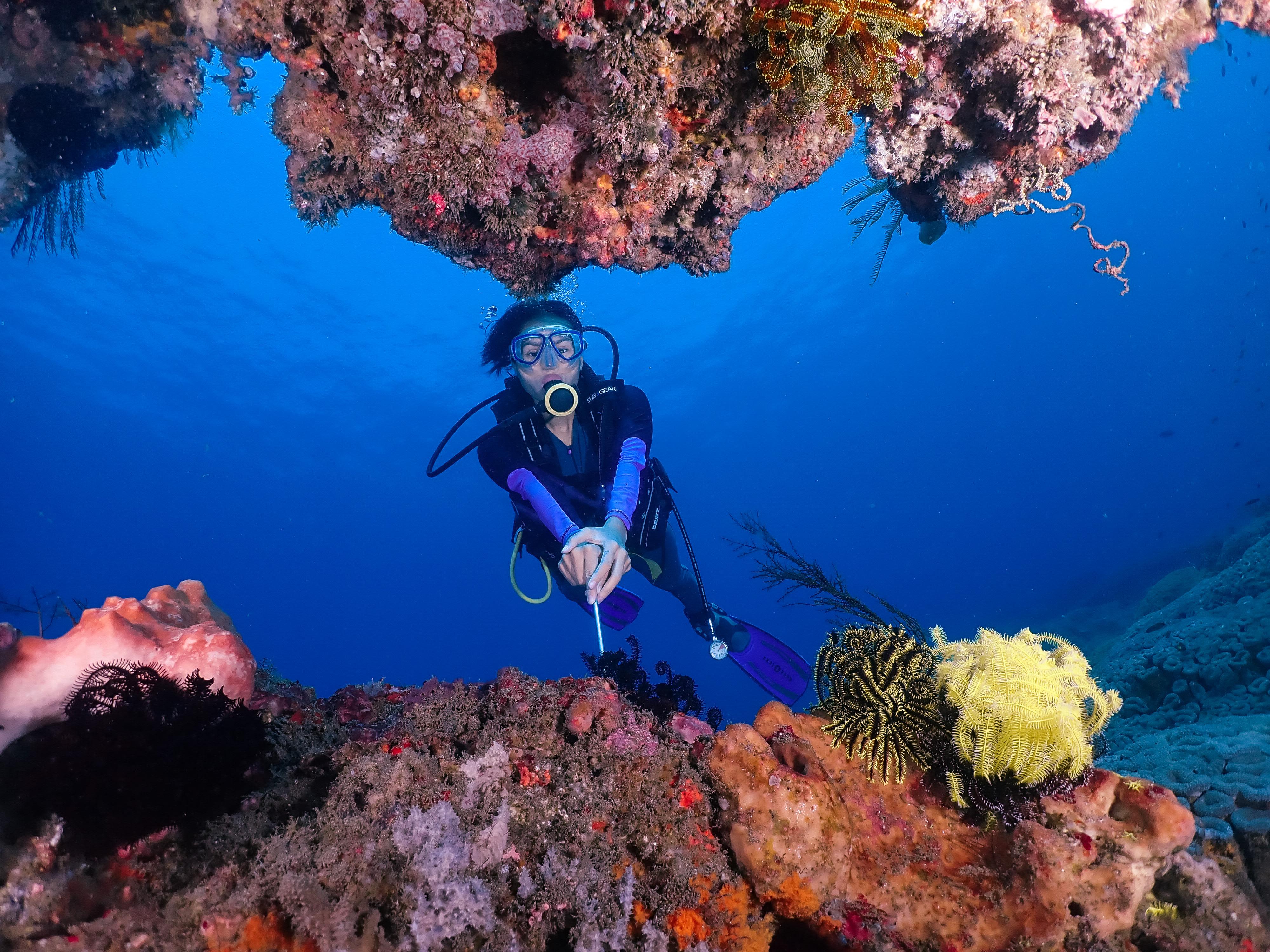
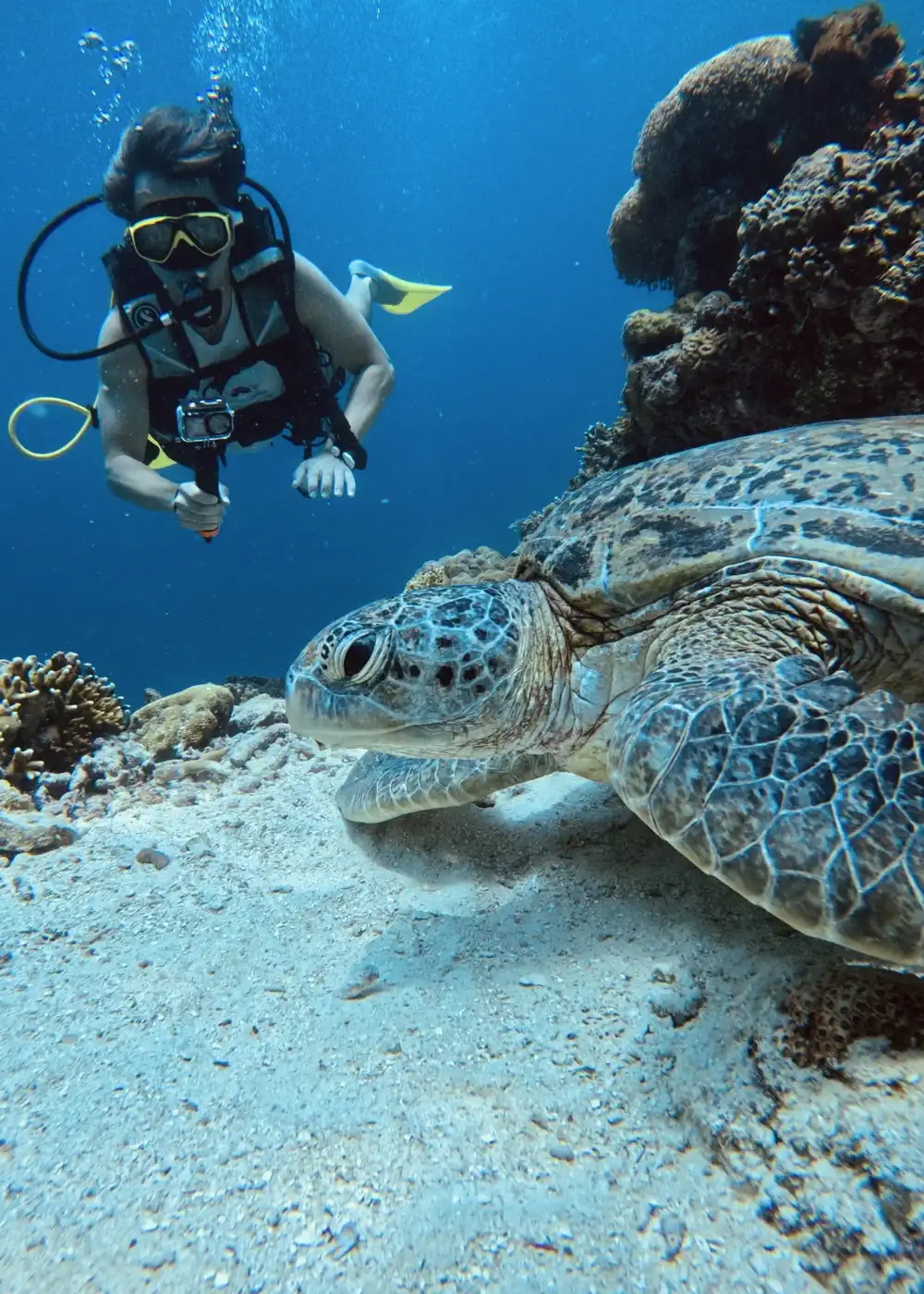
Blue Lagoon Beginner Scuba Dive in Padangbai
|
7 hr | ★ 4.9 | — | ✓ | ✓ | ✓ | €109 | Book → |
|
Guided Experience
3-Day PADI Open Water Diving Certification in Bali
|
72 hr | ★ 4.9 | ✓ | ✓ | ✓ | ✓ | €405 | Book → |
|
Standard Entry
Blue Lagoon Scuba Diving Adventure
|
1 hr 30 min | ★ 4.6 | ✓ | — | — | ✓ | €80 | Book → |
They complement each other; most visitors who do both call Gili Islands the more straightforward choice for beginners, while bali diving offers more significant marine diversity. Many divers book bali diving tours to explore volcanic wrecks and deep-water reefs.
|
Top pick Bali |
Gili Islands | |
|---|---|---|
| Ease of access | Accessible by road | Requires boat transfer |
| Marine biodiversity | High; macro and pelagic | Moderate; focus on turtles |
| Strong currents | Common at specific sites | Varies; generally manageable |
| Shore vs boat entry | Mixed; shore and boat | Exclusively boat entry |
| Travel logistics | Complex; multiple regions | Centralized; island hop by foot |
| See tickets & prices |
Verdict: Choose a bali diving tour if you prioritize macro photography and shipwrecks, but rely on bali diving tickets for regional variety that far exceeds the compact Gili archipelago.
Hand-picked experiences loved by thousands of travelers
8–9 hours
Free Cancellation
Explore Bali's underwater realm with zero experience needed. Two guided dives, manta ray encounters, and full support.
8 hours
Free Cancellation
Two introductory dives at Blue Lagoon with personal instruction, lunch, and complimentary photo/video files
9 hours
Free Cancellation
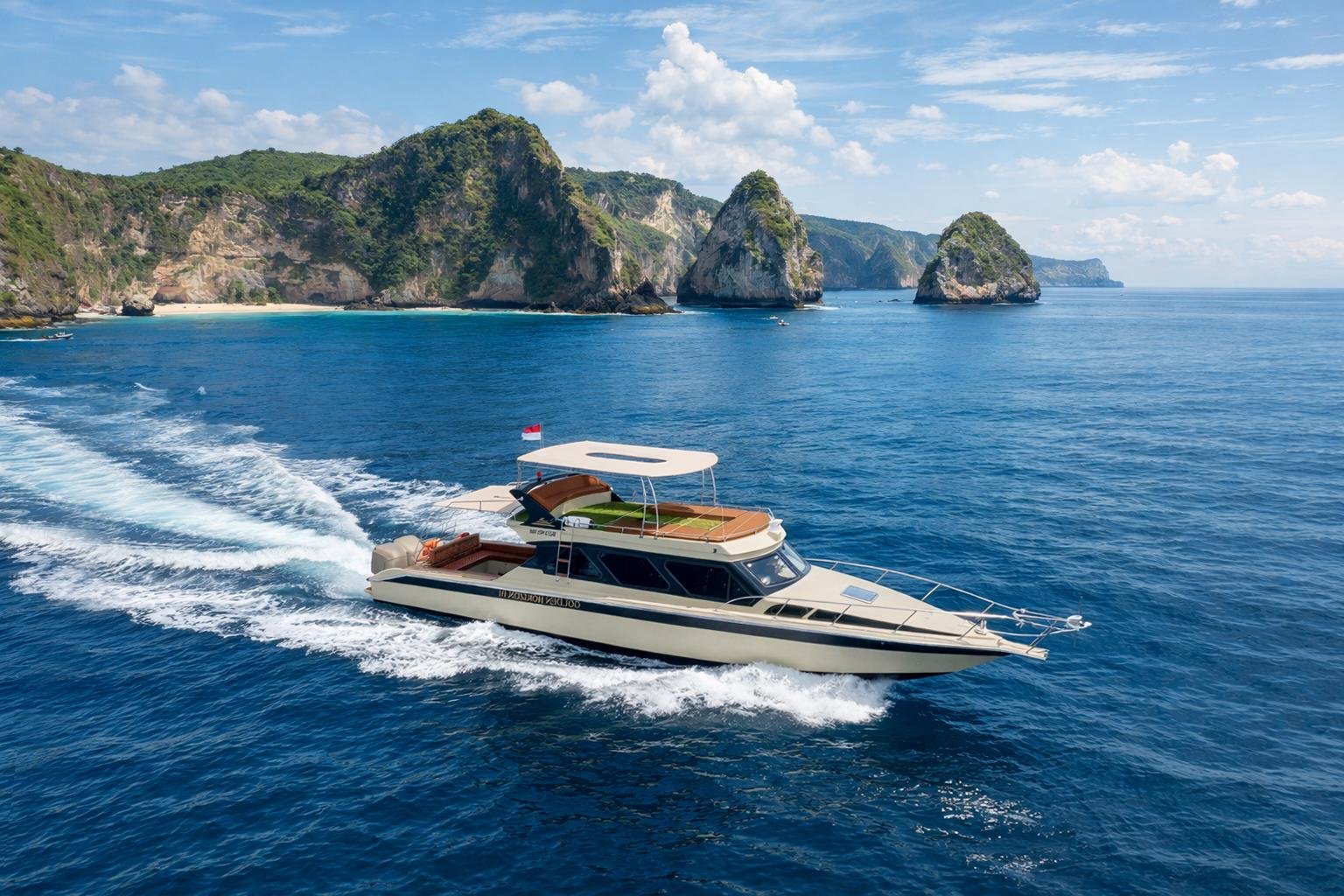
Sail aboard a 2026-built yacht to snorkel with mantas, visit Kelingking Beach, and lunch at a beachside club
9 hours
Free Cancellation
Snorkel with manta rays, explore vibrant reefs, and visit the iconic Kelingking viewpoint on this full-day island escape
8 hours 30 minutes
Free Cancellation
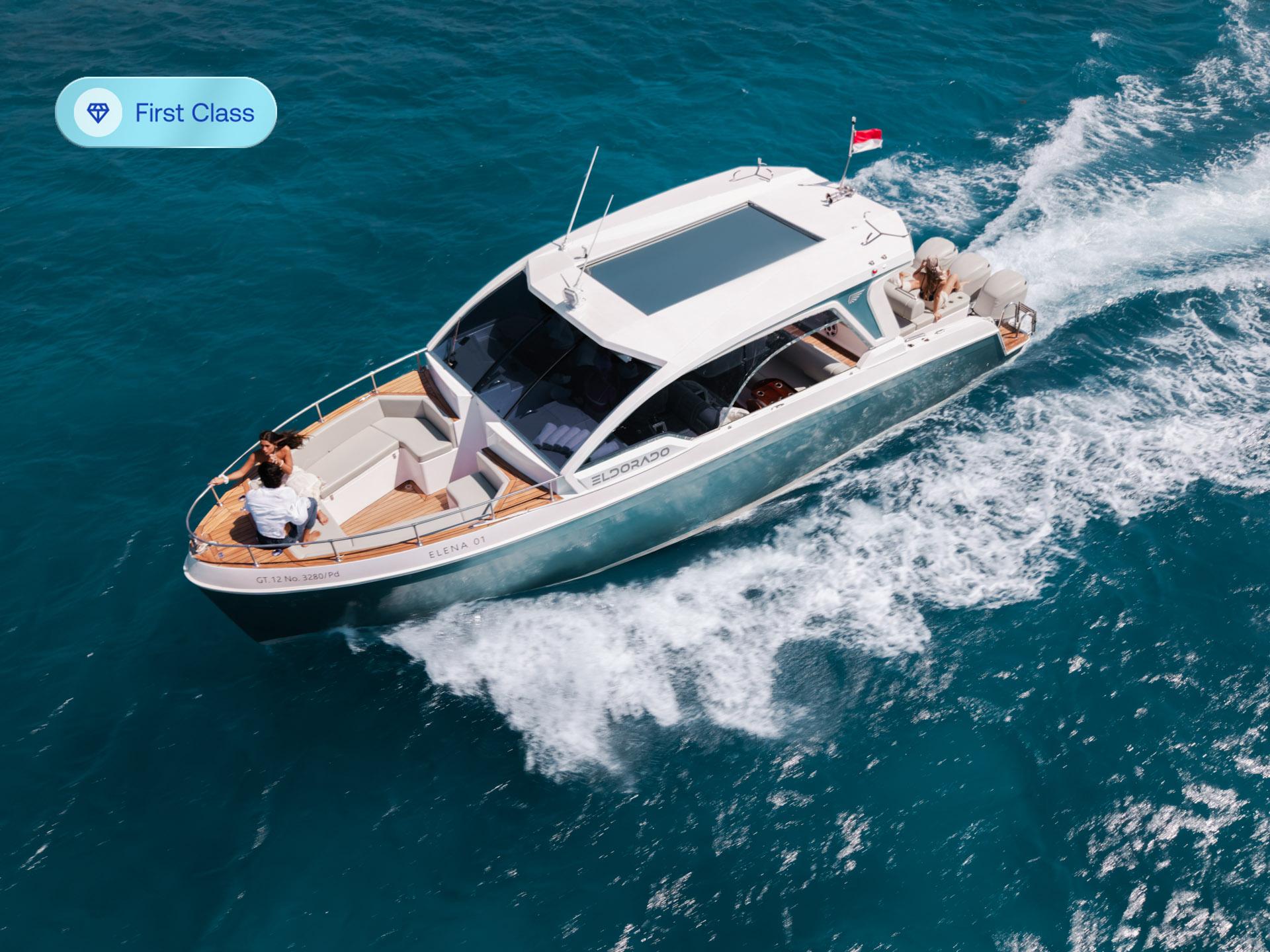
Full-day island escape aboard a private-style yacht with snorkeling, manta encounters, and iconic cliff views
6 - 11.5 hours
Free Cancellation
Snorkel three pristine spots, swim with manta rays, and explore dramatic coastal cliffs on this full-day island escape
2 hours 30 minutes
Free Cancellation
Dive into crystal-clear waters at three stunning locations and swim alongside vibrant marine life
6 hours
Free Cancellation
Explore Bali at your own pace with a dedicated driver and customizable 10-hour itinerary
Operator briefing and equipment check
Travel to coastal dive site
Underwater reef or wreck exploration
Rest and hydration on shore or boat
Secondary site visit
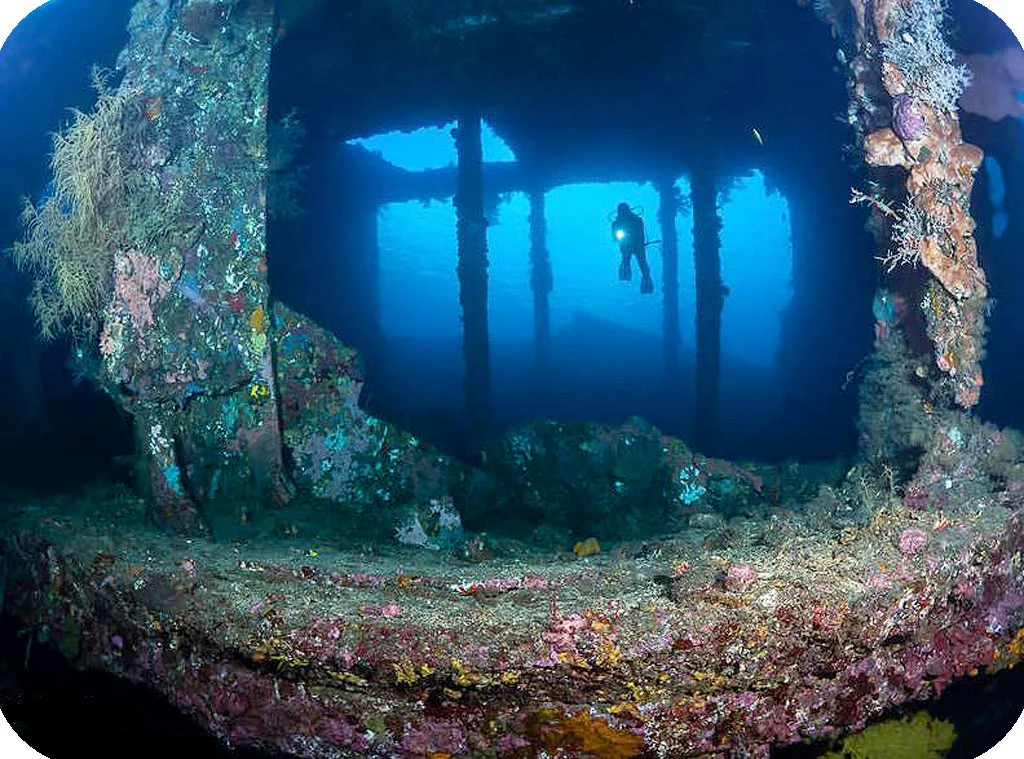
This iconic WWII shipwreck lies just offshore in Tulamben, hosting diverse marine life in 5 to 30 meters of water. It is one of the most accessible wrecks in the world for intermediate divers.
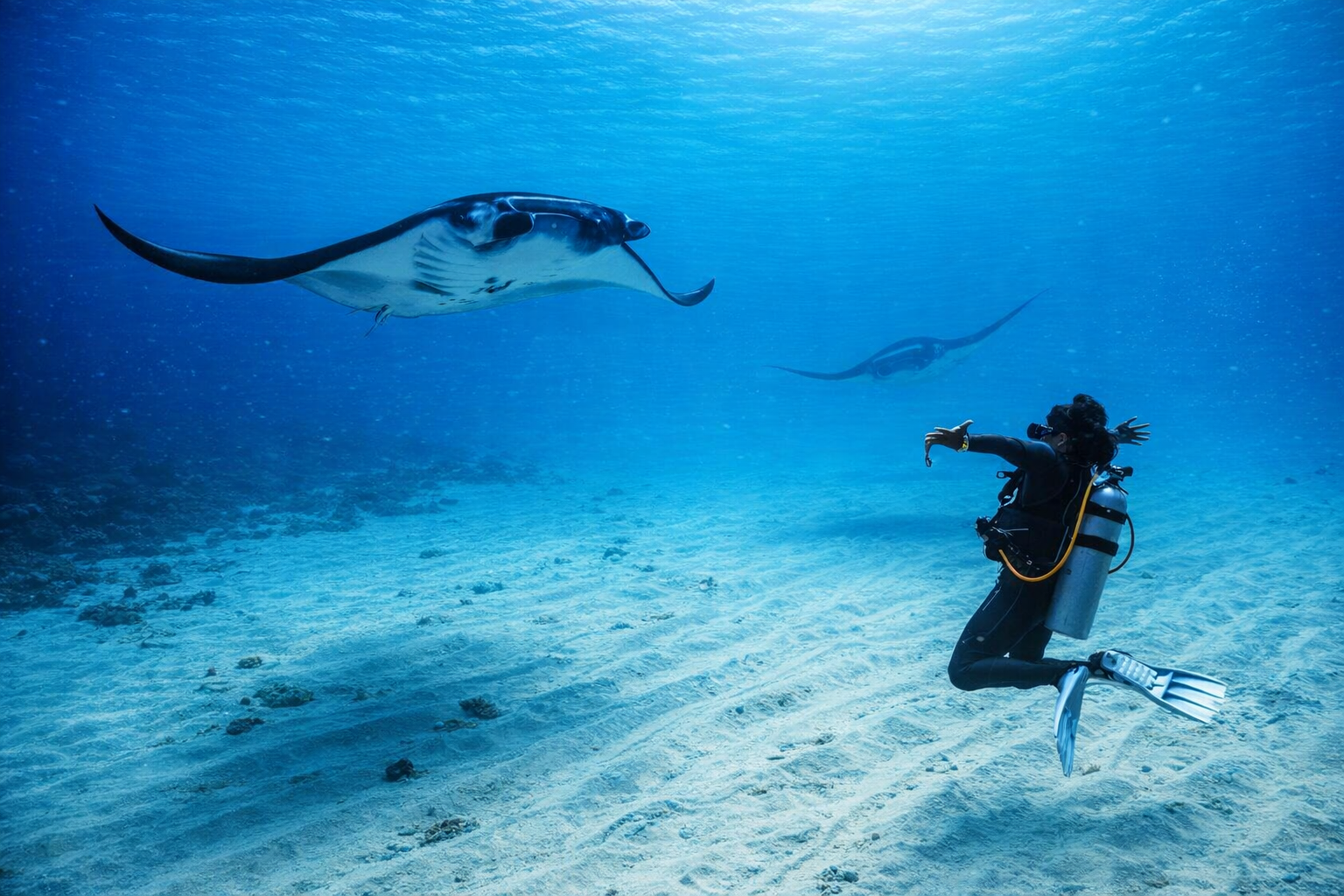
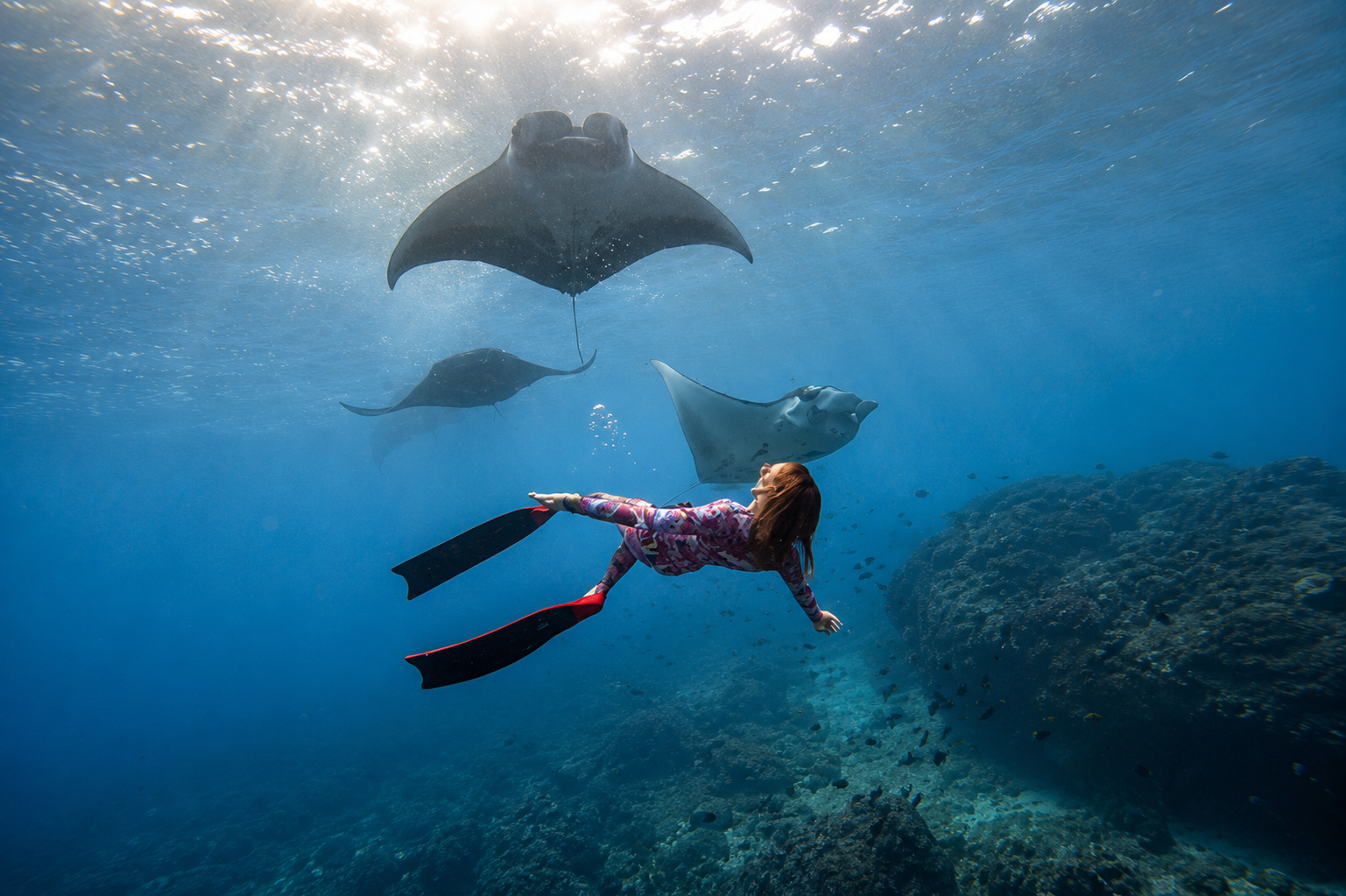
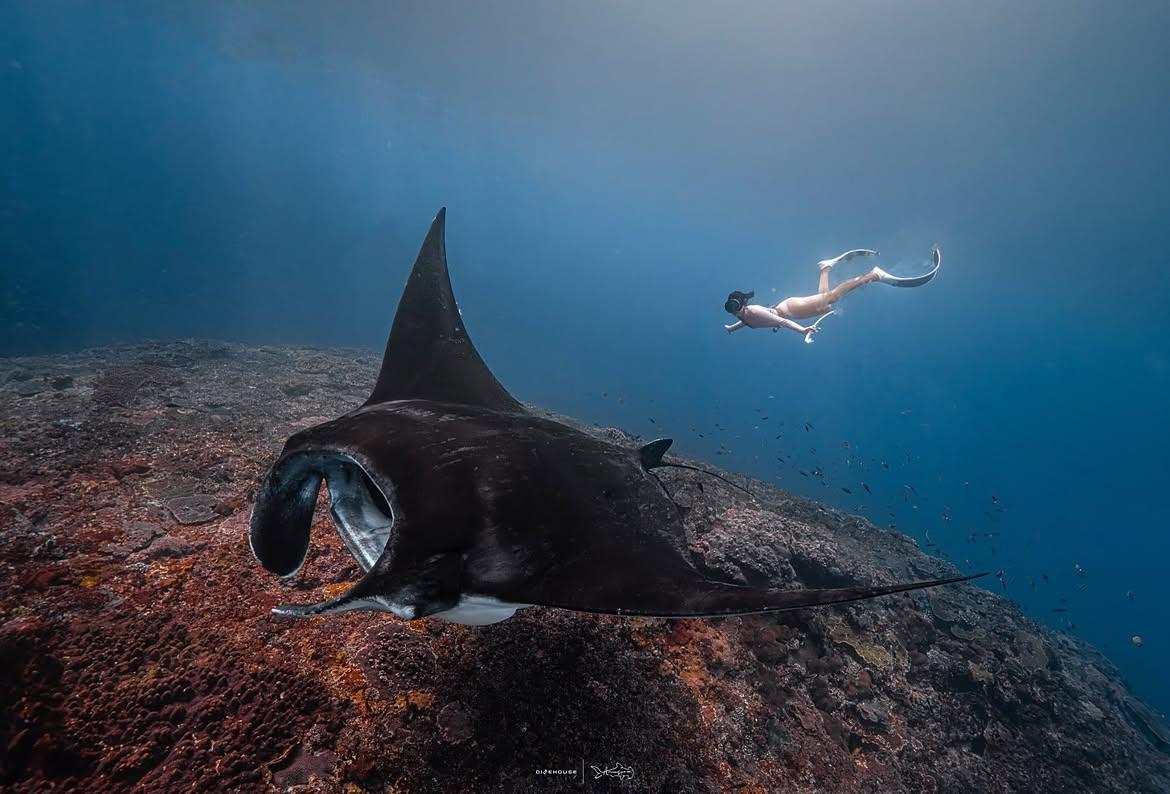
Located near Nusa Penida, this famous cleaning station offers consistent sightings of giant manta rays. Divers often observe these creatures in depths between 10 and 20 meters.
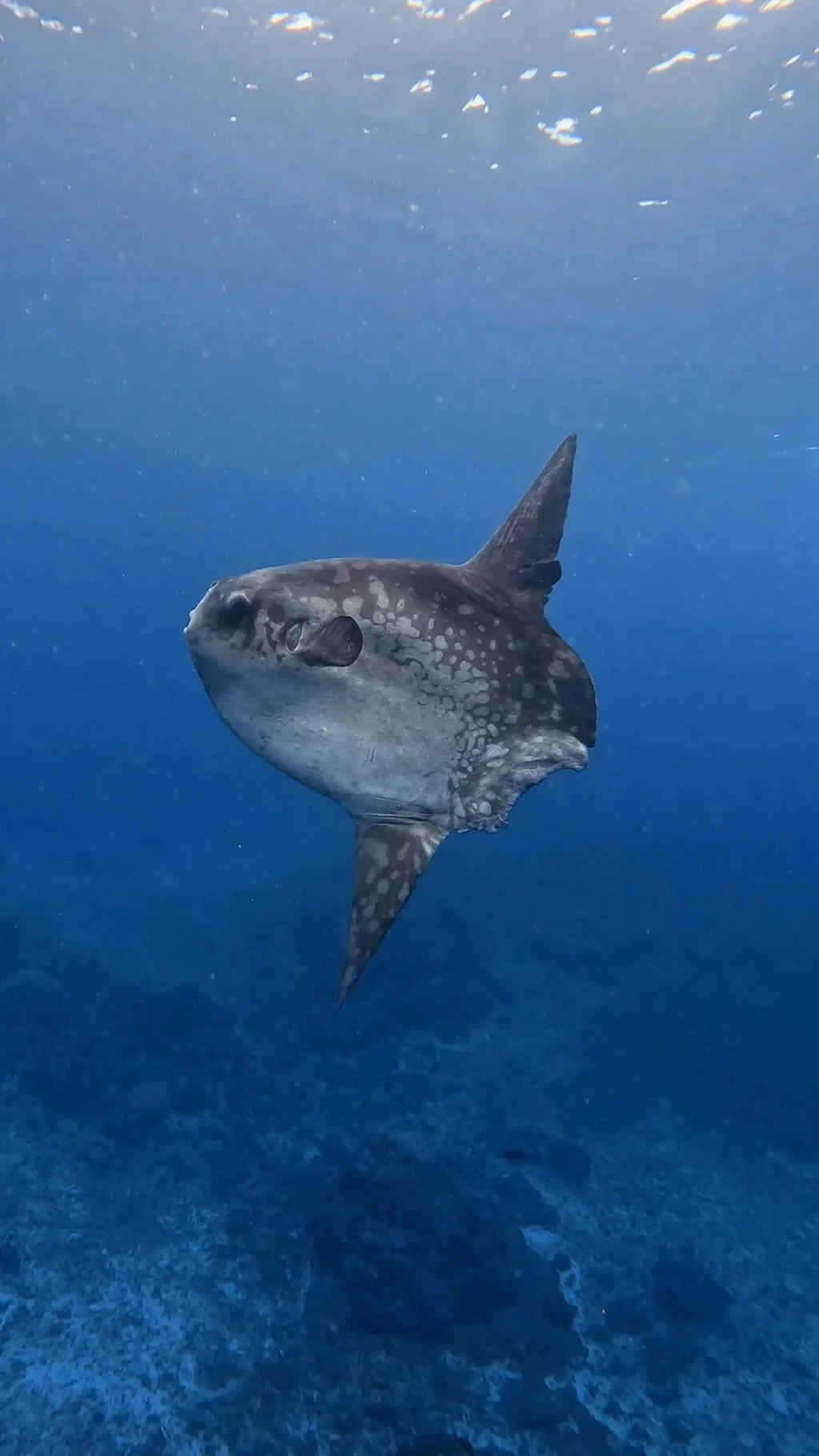
Known for its vibrant coral reefs and potential Mola Mola sightings, this site features deep blue water and strong currents. It remains a highlight for experienced divers exploring the southern coast.
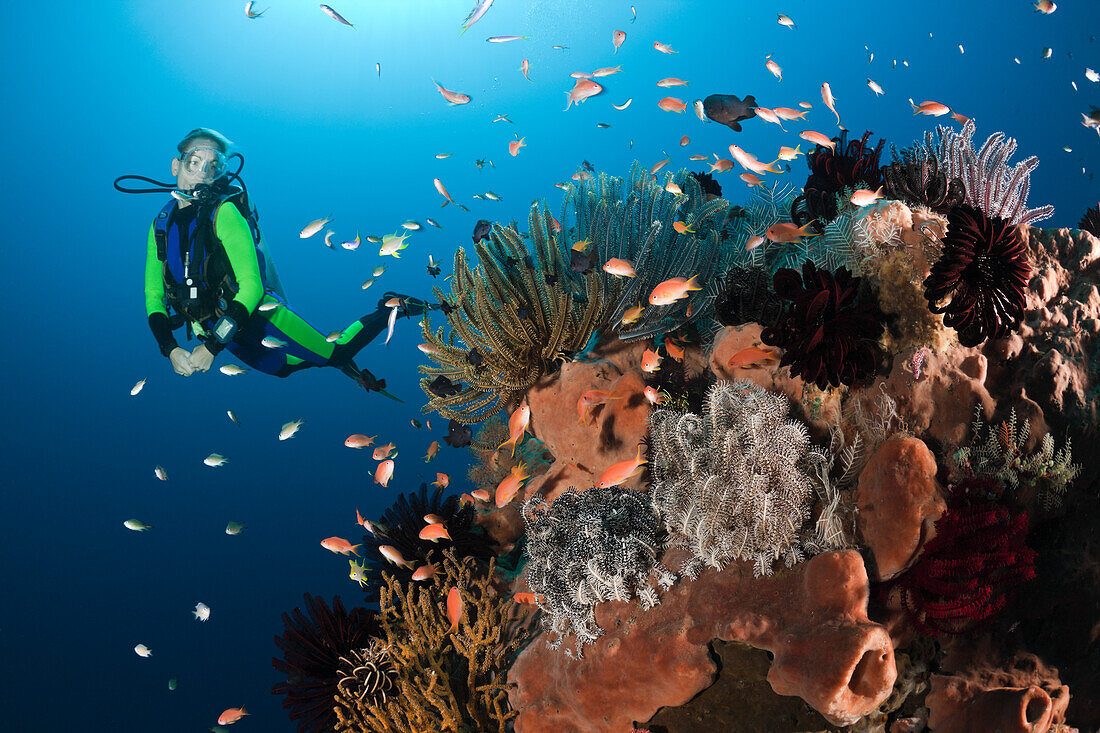
This underwater drop-off is covered in soft corals, gorgonians, and schools of reef fish. It provides excellent macro photography opportunities for visiting divers.
A smaller, shallower wreck located near Amed, perfect for exploring within 5 to 10 meters of water. It is home to an array of colorful nudibranchs and crustaceans.
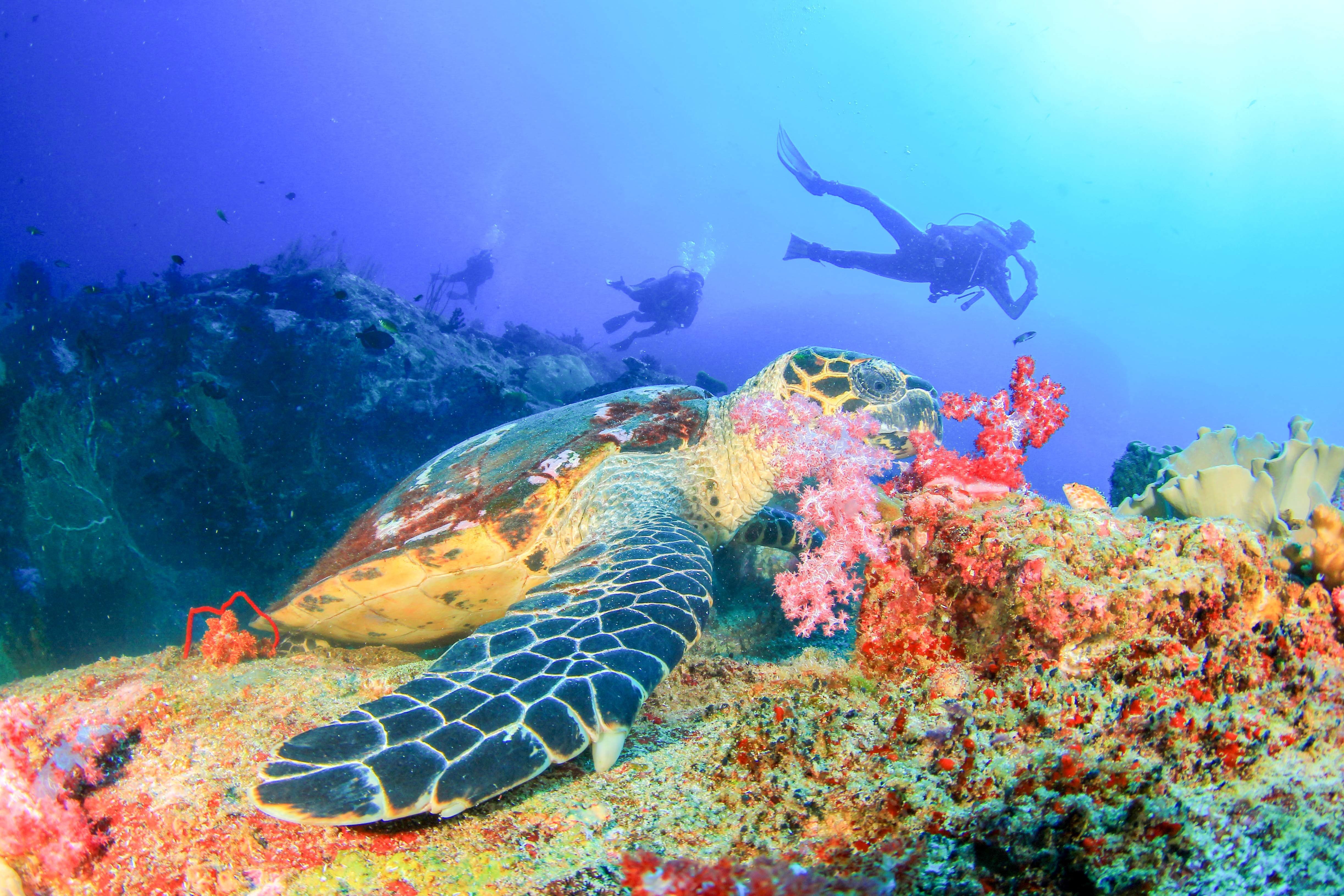
You wade into Tulamben's shallows at dawn, fins in hand, as the Liberty's silhouette materialises eight metres below the surface. Your guide signals descent; you deflate your BCD and drop alongside the wreck's starboard rail, now a garden of table coral and anemones hosting clownfish colonies.
At 18 metres you pause at the cargo hold, its interior dim enough to require a torch, then follow the hull toward the stern where a school of bumphead parrotfish grazes on algae-covered plating. Your computer reads 24 minutes when you ascend to the bow section at 12 metres for a safety stop, surgeonfish and fusiliers streaming past in the early current.
The second dive moves to Amed's wall. You enter from the beach, swim 40 metres offshore, then descend along a volcanic slope that disappears into blue. At 28 metres you spot a frogfish camouflaged against black sand; your guide points out a pair of ghost pipefish clinging to a wire coral. The wall is a vertical gallery: gorgonian fans at 22 metres, barrel sponges at 18, soft coral trees at 12. You surface after 32 minutes, the boat waiting 20 metres from your entry point, and climb aboard as the mid-morning wind begins to ripple the bay.
All the details about your upcoming adventure in one place
Bali diving offers access to coral reefs, underwater temples, and marine biodiversity across sites like Tulamben, Nusa Penida, and Amed. Whether you're exploring the USAT Liberty shipwreck or encountering manta rays at Manta Point, bali diving tours cater to certified divers and beginners through PADI courses. Visibility ranges from 15-30 meters depending on season and site.
The USAT Liberty lies 30 metres off Tulamben's black-sand shore, its 120-metre hull colonised by soft coral and jackfish since a 1963 volcanic tremor pushed the beached freighter into the Bali Sea.
Torpedoed by a Japanese submarine in the Lombok Strait in January 1942, the armed cargo vessel was towed toward Singaraja for repairs but never arrived; Mount Agung's eruption two decades later completed the ship's descent. Today the Liberty wreck anchors Bali diving as the island's most accessible multi-level site, its skeletal ribs visible from the surface at low tide and its engine room penetrable by advanced divers at 29 metres.
Bali's volcanic topography creates three distinct underwater zones. The northeast coast—Tulamben, Amed, and the neighbouring village of Kubu—offers wall dives along lava slopes that plunge past 40 metres, their crevices sheltering pygmy seahorses and ghost pipefish. The Nusa Penida channel, 90 minutes by boat from Sanur, delivers pelagic encounters: oceanic sunfish surface at cleaning stations between July and October, while reef manta rays glide year-round above Crystal Bay's thermoclines. Padang Bai's Blue Lagoon and Bias Tugel provide sheltered bays for open-water training, their sandy bottoms at 12 metres hosting juvenile cuttlefish and nudibranchs. The island's position at the confluence of the Indian Ocean and the Flores Sea funnels nutrient-rich currents that support over 500 reef-fish species, a density rivalled only by Raja Ampat and the Coral Triangle's epicentre.
The Bali diving season splits along monsoon lines. April through November brings southeast trades that calm the Amed coast and Tulamben, holding surface chop below one metre and pushing visibility past 25 metres by mid-morning. December through March reverses the pattern: the northwest monsoon flattens Nusa Penida's southern exposures while Tulamben's bay catches swell. Water temperature holds between 26°C and 29°C year-round, requiring only a 3mm shorty for most divers. PADI certification remains the standard; Bali diving schools in Sanur, Pemuteran, and Amed conduct four-day Open Water courses that include two confined-water sessions in hotel pools before ocean dives at Tulamben or Menjangan Island. Advanced certifications add deep-dive and wreck-penetration modules, the latter contingent on buoyancy-control mastery verified during a Blue Lagoon checkout dive.

The Liberty wreck lies 30 metres off Tulamben's shore, its hull colonised by soft coral since a 1963 volcanic tremor pushed the vessel into the Bali Sea.
Divers are required to wear appropriate swimwear beneath provided wetsuits during all bali diving excursions. Conservative attire is expected when moving through local villages to reach shore-based entry points.
Secure storage for personal belongings is typically provided by private dive operators at their base locations. It is recommended to leave high-value items at your accommodation before departing for your dive.
Underwater photography is permitted, though divers should ensure camera equipment is neutrally buoyant to avoid damaging fragile coral reefs. Using a flash may be restricted in specific areas to protect marine life.
Minimum age requirements for bali diving vary by operator, usually starting at 10 years old for junior certification. Families should ensure that all children meet the physical fitness standards set by the PADI or SSI training guidelines.
Shore-based bali diving tours may involve walking over rocky or uneven terrain at sites like Tulamben. Operators provide assistance for gear transport, but participants must be physically capable of entering and exiting the water.
Divers are advised to bring sufficient water to remain hydrated between dives. Many operators include light refreshments, but participants are expected to take all trash with them to maintain local coastal cleanliness.
Opening Hours
07:00–18:00
Address
Various locations across Bali (e.g., Tulamben, Amed, Nusa Penida, Padang Bai)
Logistics
Varied access depending on specific coastal site
Best Arrival
07:00–10:00
Storage
Limited at remote coastal dive sites
Area Coverage
Island-wide underwater exploration
Car · 60–120 mins · Variable cost
Private transport is the most reliable way to reach dispersed dive sites across the island. Parking is available at most established dive centers.
Taxi · Variable · Metered rates
Ride-sharing apps operate in major areas but may struggle to access remote shore-entry points. Coordinate return travel with your operator.
Most bali diving tours allow free cancellation up to 24-48 hours before the scheduled activity. As this is an activity booked via private operators with varying fees, please verify the specific policy provided at the time of booking.
Recommended time
Full day
For a successful bali diving experience, plan for a full day to accommodate travel between scattered coastal sites and boat logistics. Early morning provides the calmest sea conditions and optimal underwater visibility for observing coral reefs and marine life, making it the most efficient window for your underwater adventure. Although there are no bali diving tickets to purchase, you should manage your schedule around boat departures to ensure you make the most of your bali diving tours.
Crowd levels through the day
Weather · crowds · average price — dots go green to amber to red as each metric rises.
The transition into the dry season provides excellent water clarity and manageable surface conditions. It is the best period for spotting Mola Mola in southern regions.
As the peak season for bali diving, this period experiences cooler water temperatures and higher marine activity. Early morning arrivals ensure the best light for photography.
This shoulder season offers fewer crowds at popular shipwrecks and consistent visibility. Temperatures remain warm despite the occasional transition to monsoon humidity.
Inspect all rental equipment thoroughly before leaving the shop. A quick check of O-rings and regulator pressure prevents delays at the dive site.
Maintain neutral buoyancy to avoid contact with the reef. Do not touch or chase sea creatures during your underwater excursion.
Apply reef-safe sunscreen at least 20 minutes before water entry. Harsh tropical sun can cause severe burns even on cloudy days.
Use the break to track your nitrogen levels and hydrate. Proper intervals are essential for safety during multi-dive days.
Dress respectfully when walking through coastal villages to reach dive entry points. Avoid wearing swimwear outside of the immediate beach area.
Exploring the underwater world through bali diving is a rewarding experience for families, provided you carefully vet operators for child-focused safety standards. Engaging in a guided underwater adventure allows children to discover coral reefs and vibrant marine life in a controlled, supervised environment.
Most dive centers require children to be at least 10 years old for junior scuba certifications, while younger children can often join as snorkelers. Always confirm that your chosen bali diving tours provide qualified instructors who specialize in teaching younger participants.
Ensure the dive operator is affiliated with recognized organizations like PADI or SSI to maintain strict safety protocols. Many providers offer specialized bali diving tickets for discovery programs that emphasize shallow water skills for kids.
Private operators usually carry a range of youth-sized wetsuits, masks, and fins, but it is wise to confirm availability for your specific dates. Having properly fitting gear is essential for the comfort and confidence of young explorers on any bali diving tour.
Aim to arrive during the best arrival window of 07:00–10:00 to minimize exposure to open water currents and afternoon winds. Starting early ensures the calmest conditions for snorkeling trips or boat excursions to local landmarks like Padang Bai or Amed.
Finding quality meals after bali diving is straightforward, as most coastal villages feature locally-owned eateries catering to hungry enthusiasts. Whether you are booked for bali diving tours or a customized underwater excursion, these venues offer quick sustenance before your next group departure.
Located near the famous shipwreck, this spot serves hearty Indonesian nasi goreng perfect for refueling. It is popular after morning bali diving tickets are validated and the crowds disperse.
This casual venue offers healthy smoothie bowls and strong coffee ideal for an early start. Divers often grab a quick bite here before embarking on their bali diving tour.
Positioned with direct access to the shore, this restaurant provides fresh seafood and relaxed seating. It serves as a practical hub for those needing a meal between scuba boat trips.
Real experiences from real travelers
The house reef at Menjangan delivered some of the healthiest coral I've seen in years. We descended to 18 meters along a wall covered in soft corals and spotted three turtles in a single dive. Water temperature was a comfortable 28 degrees and visibility exceeded 30 meters.
Tulamben's USAT Liberty shipwreck sits just 30 meters from shore in calm water. The wreck is completely encrusted with marine growth and hosts massive schools of jacks and bumphead parrotfish. Easy shore entry made it accessible even for my advanced open water certification.
Booked a bali diving tour specifically for mola mola season at Crystal Bay and we saw two individuals on our first dive. The cleaning stations at 18-24 meters are reliable from July through October. Current can be strong so advanced certification recommended.
Secret Bay lived up to its reputation for muck diving. Found multiple species of nudibranchs, frogfish, and a mimic octopus during a 65-minute dive. The black sand sites around Amed offer something different from typical reef diving. Guide knowledge made the difference.
The drift dives along Nusa Penida's channels offer encounters with mantas and reef sharks. We saw four mantas at Manta Point during a single dive in May. Strong currents require solid buoyancy control but the rewards are worth the challenge.
Completed my advanced certification with bali diving tours operating out of Sanur. Visibility was excellent across all training dives at Padang Bai. Instructors were patient and professional. The wreck and deep dives provided great experience without feeling rushed.
The Bio-Rock restoration project at Pemuteran has created thriving artificial reefs that rival natural sites. Saw juvenile fish using the structures as nursery habitat. Shore diving here is easy and the reef extends for hundreds of meters parallel to the beach.
The Liberty wreck remains one of Asia's most accessible quality dive sites. Marine life density is exceptional with resident schools of barracuda and frequent turtle sightings. Three dives over two days and each one revealed new sections of the 120-meter wreck.
Researched extensively before selecting an operator for bali diving tickets and chose one with small groups and experienced guides. Safety standards were high and equipment was well-maintained. The guides knew exactly where to find specific species we wanted to photograph.
The 40-meter visibility at Menjangan Island made navigation effortless along the wall. Started the dive at 5 meters and gradually descended to 28 meters following the reef contour. Saw white-tip reef sharks resting in a cave and a large Napoleon wrasse patrolling the wall.
Everything you need to know for your journey
Most dive centers maintain opening hours from 07:00–18:00. Please confirm with your specific operator regarding their daily schedule.
You generally need an entry-level certification for boat dives, though discovery sessions are available for beginners. Always carry your documentation for bali diving tours.
There are no direct entry fees for diving itself, as it is an activity booked via private operators with varying fees. Some marine parks may have small conservation levies.
The best arrival window for bali diving is 07:00–10:00 to ensure calm conditions and clear visibility. Arriving early helps avoid the daily winds that pick up by midday.
Yes, you are welcome to take photos during your bali diving tour, provided you maintain safe buoyancy. Avoid using flash if the operator advises against it to protect local wildlife.
Yes, you are encouraged to bring your own equipment if it has been serviced recently. Ensure your gear is clearly marked before starting your bali diving tour.
Most shops require a minimum age of 10 for introductory bali diving programs. Children should be comfortable in the water and meet medical fitness standards.
High winds or rough seas can impact visibility and site accessibility. Operators will reschedule bali diving excursions if conditions are deemed unsafe.
Shore entry may involve uneven ground, but operators generally assist with equipment. Discuss any mobility concerns before booking your bali diving tour.
The largest and holiest temple in Bali located on the slopes of Mount Agung.
Famous for its split gate offering views of the volcanic landscape.
A former royal palace featuring ornamental pools and lush gardens.
The highest peak on the island influencing local weather and diving currents.
Beachfront property catering specifically to diving guests.
Features traditional architecture near top shore-entry sites.
Convenient lodging near the harbor for boat-based dive access.
Join thousands of happy travelers who have discovered this incredible experience
Book Your Experience Now