72 hr
3-Day PADI Open Water Certification Course in Bali
- Expert local guide
- Small group
- Skip-the-line access
- Free cancellation
Bali Diving Course — PADI Certification & Wreck Training
From coral gardens to wartime wrecks, earn your credentials in Indonesian waters
Compare fares, pick the fit — all bookings are mobile-voucher and eligible for free cancellation where shown.
72 hr
7 hr
9 hr
Selecting the right bali diving course requires evaluating your comfort in the water and your desire for long-term ocean exploration certification. These programs provide structured instruction to help you master essential scuba skills safely across various coastal environments.
| Discovery Dive Beginner Introduction |
Top pick Open Water Course Full Certification |
Advanced Training Skills Progression | |
|---|---|---|---|
| Training Duration | Half-day program | 3 to 4 days | 2 to 3 days |
| Certification Level | None - Introductory | International Open Water | Advanced Specialty |
| Access to Sites | Confined training areas | Open water reef sites | Wrecks and deep sites |
| Pre-requisites | Basic swimming ability | Medical clearance | Open Water certification |
| Best for | Curious first-timers | New independent divers | Experienced diver growth |
| See tickets & prices |
Verdict: For those pursuing bali diving course tickets, the Open Water program remains the standard path for beginners seeking full autonomy, while discovery options serve as a lighter bali diving course tour.
Worth it for serious divers seeking certification
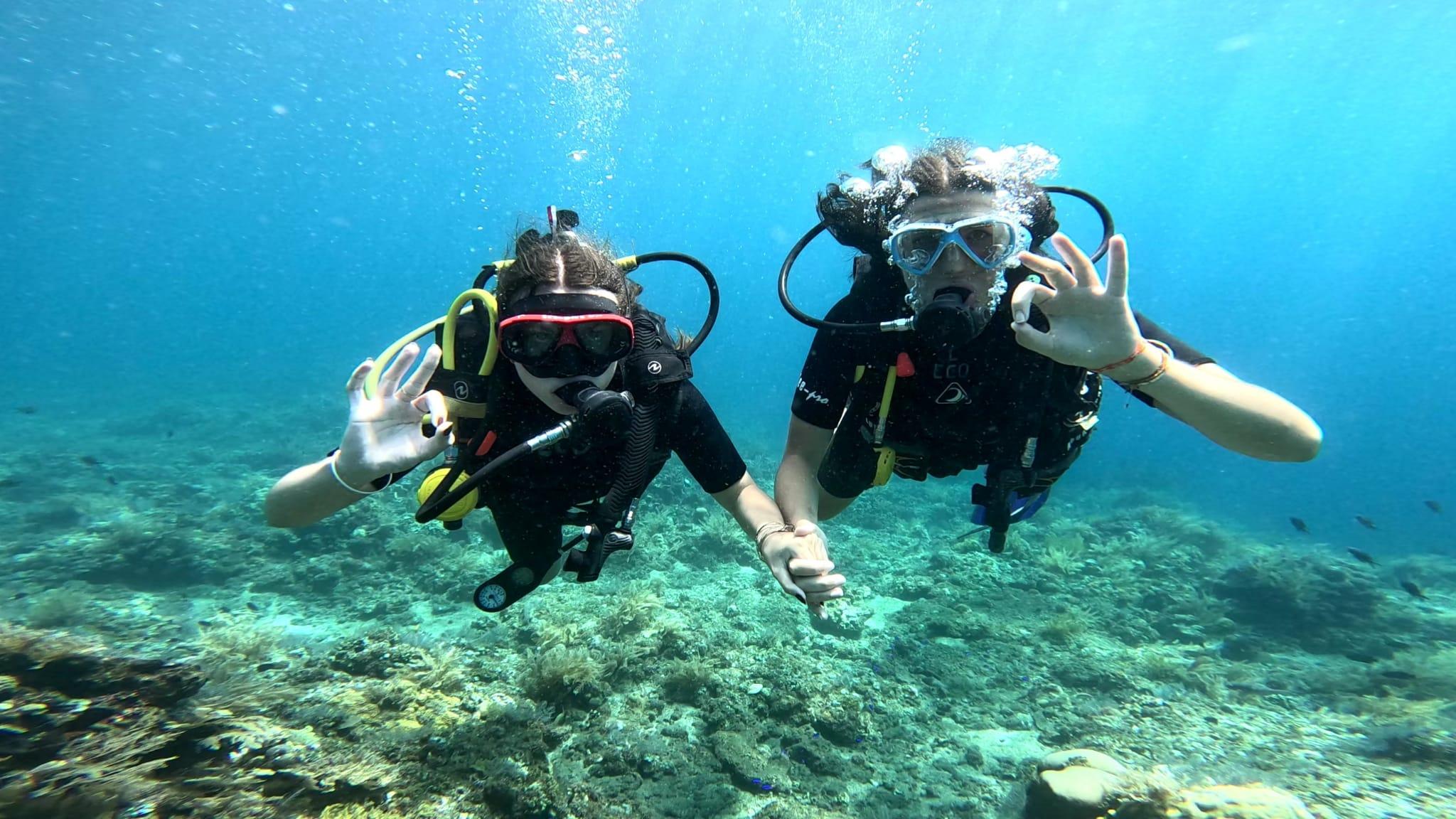
A bali diving course delivers structured learning in one of Southeast Asia's most accessible marine environments. The 3-day PADI Open Water certification typically covers theory, confined water training, and four open-water dives across sites like Tulamben's USAT Liberty wreck and Padangbai's Blue Lagoon. Professional instruction ensures proper buoyancy control, safety protocols, and equipment handling—skills that transfer worldwide. Single-day beginner dives at Tulamben Bay or the Liberty wreck let you test the waters before committing to full certification. Bali's warm 27–29°C water, visibility reaching 30 meters at top sites, and year-round diving conditions create an ideal training ground. Courses include all equipment, insurance, and transport to dive sites. The value proposition centers on certification permanence—once earned, your PADI card unlocks dive sites globally—and Bali's combination of beginner-friendly shallow reefs and advanced wreck penetration opportunities within the same training program.
Bottom line: Bali diving course tours offer lasting certification value in a forgiving tropical environment ideal for building core skills.
They serve different purposes; a bali diving course is for those seeking professional training, while a discovery dive is for casual underwater exploration. Most visitors who desire a recognized scuba credential prefer the comprehensive nature of the course over these bali diving course tours.
|
Top pick Diving Course |
Discovery Dive | |
|---|---|---|
| Commitment Level | Multiple days | Single session |
| Certification Awarded | Internationally recognized | None |
| Depth of Instruction | Comprehensive theory and practice | Basic safety briefing |
| Equipment Requirements | Full personal gear provided | Rental gear included |
| Skill Mastery | Independent underwater navigation | Supervised guided interaction |
| See tickets & prices |
Verdict: Choose the formal training program if you intend to pursue underwater certifications, or opt for the bali diving course tickets for a simplified, instructor-led initiation into the sport.
Hand-picked experiences loved by thousands of travelers
9 hours
Free Cancellation
Explore a legendary WWII shipwreck teeming with coral and marine life on Bali's volcanic northeast coast
5 hours
Free Cancellation
Learn to dive in shallow waters, then explore a famous wartime shipwreck on Bali's northeast coast.
3 days
Free Cancellation
Earn your PADI certification with five ocean dives exploring Amed's spectacular coral reefs and marine life
2 days
Free Cancellation
Master advanced diving techniques with five ocean dives across stunning Balinese sites including a historic shipwreck
6 hours
Free Cancellation
Dive into crystal-clear waters and explore vibrant coral reefs with expert guidance and full equipment.
8 hours
Free Cancellation
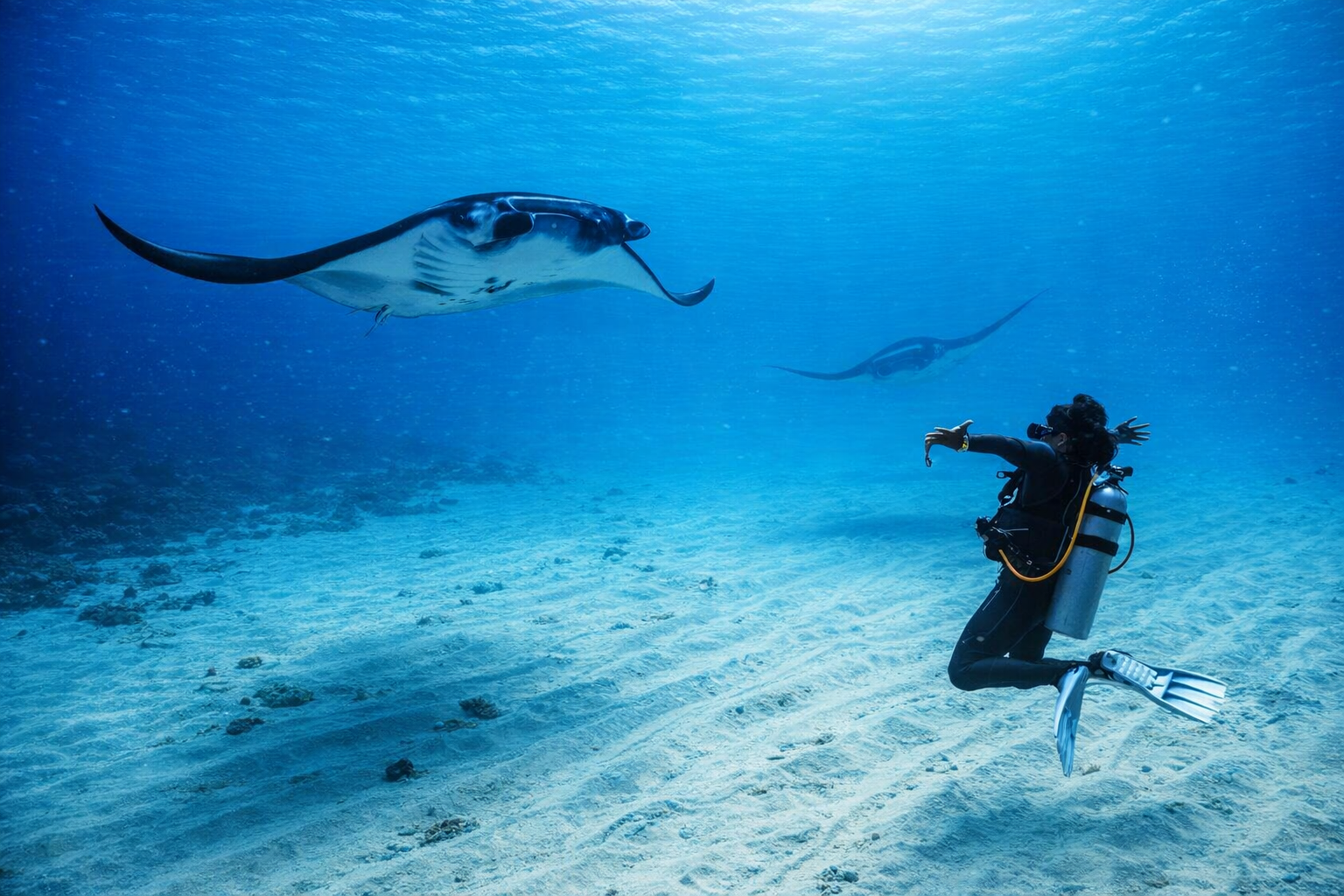
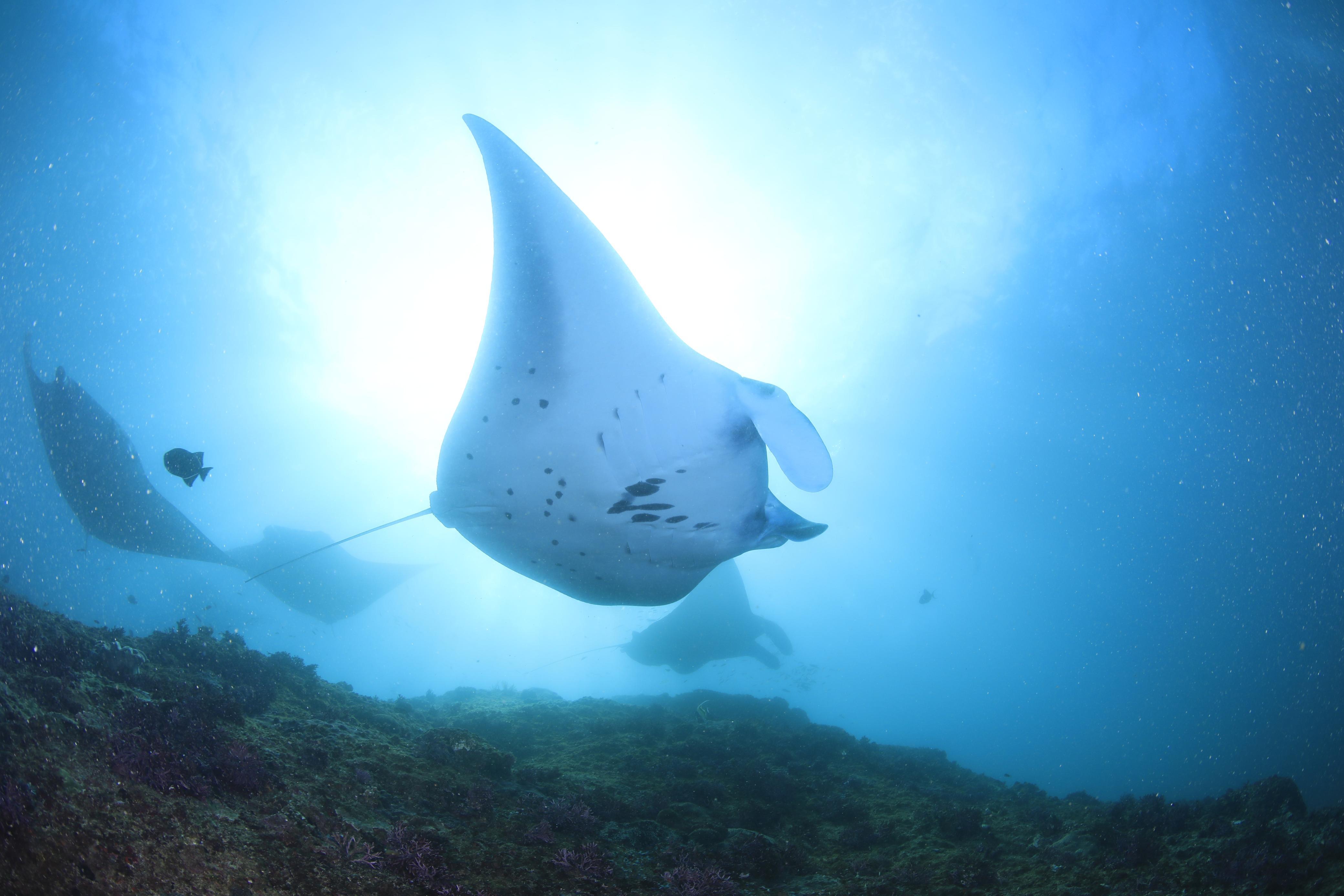
Explore Bali's underwater wonders with zero experience required—two guided dives, manta encounters, and full support.
8 hours
Free Cancellation
Full-day scuba expedition visiting three premier dive sites with manta rays, sunfish, and vibrant reefs
5 hours
Free Cancellation
First-time ocean adventure with pool training, shipwreck exploration, and a dedicated instructor
Complete paperwork and gear fitting
Cover safety protocols and dive physics
Practice buoyancy and air management
Execute training skills in the ocean
You meet your instructor at 08:00 in Sanur, where a dive van ferries gear and students east toward Padangbai or Tulamben. The drive takes ninety minutes through terraced rice fields and roadside warungs, arriving as fishing boats return with the morning's catch.
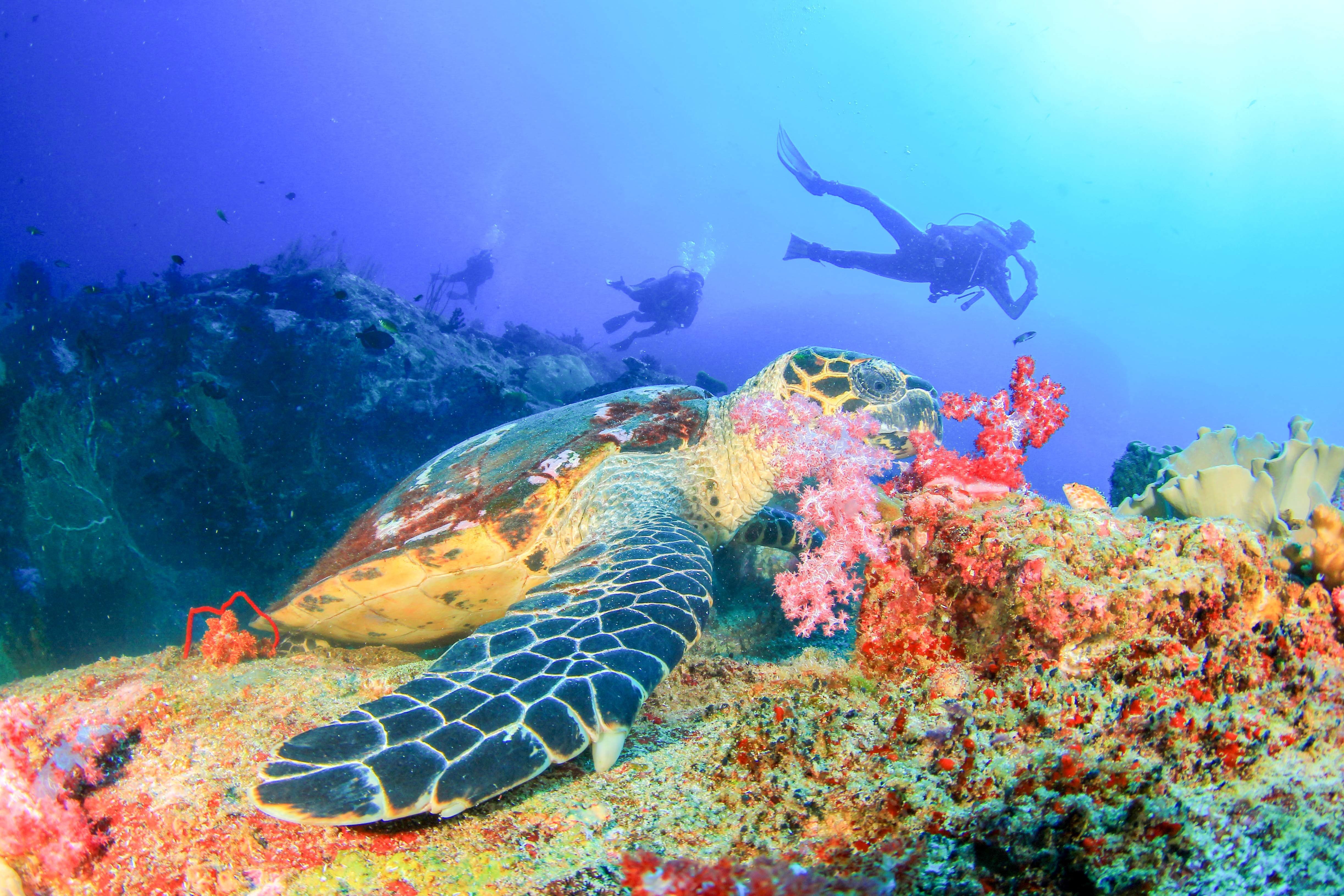
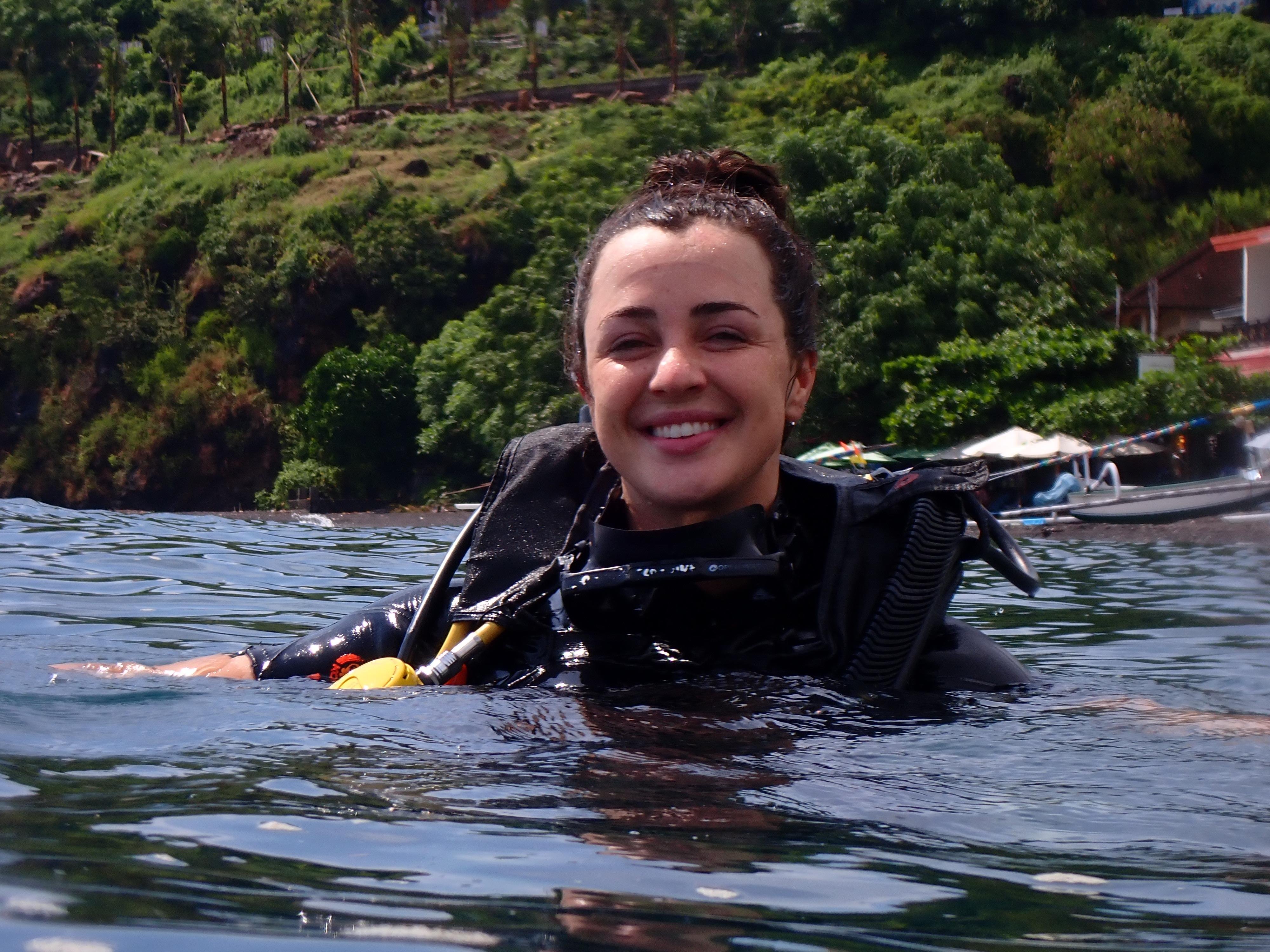
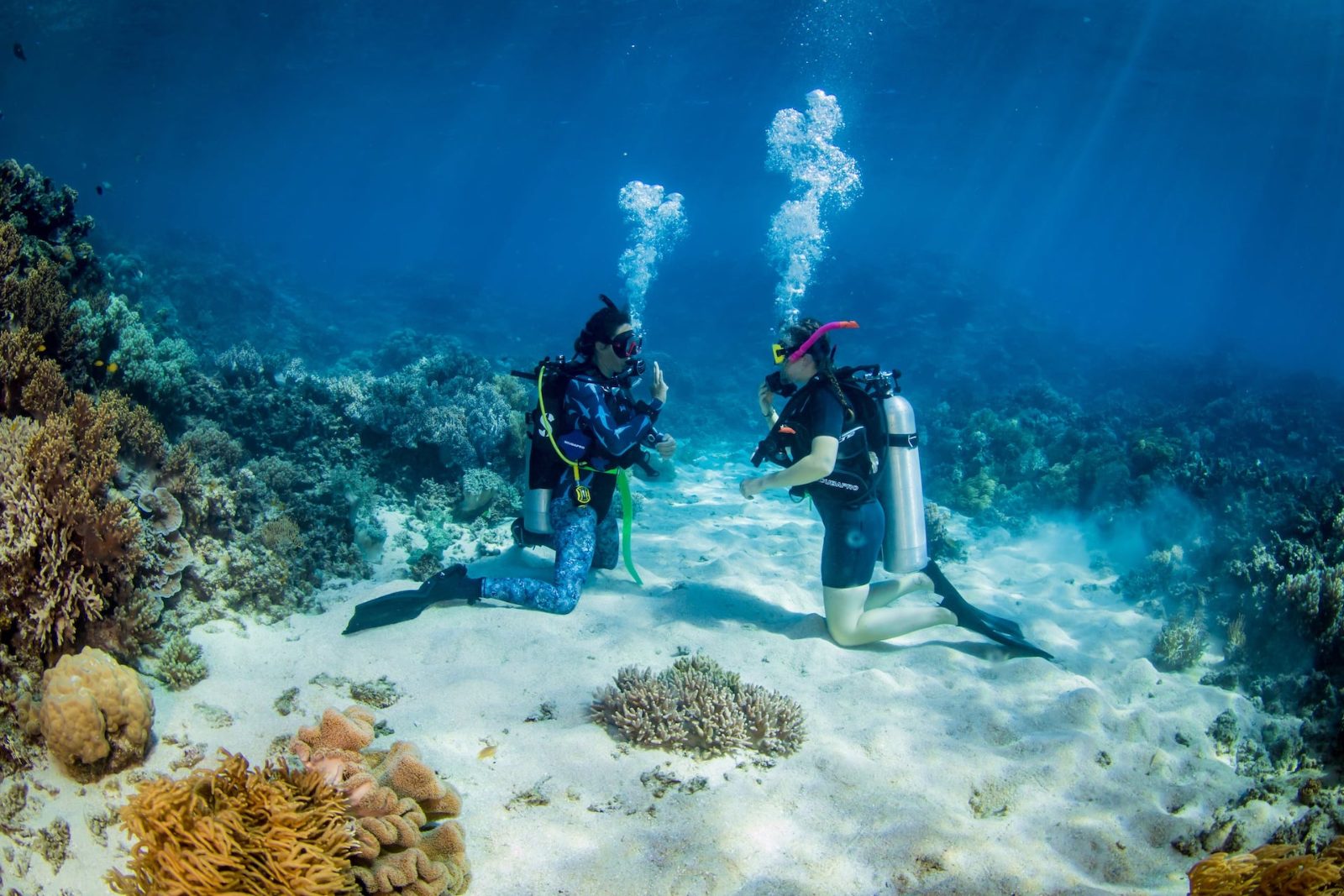
At Blue Lagoon you wade from black sand into bathwater-warm shallows, mask flooding and regulator recovery drills conducted in chest-deep water before the first open-water descent. Your instructor signals, you deflate your BCD, and the reef materialises — table corals hosting damselfish, a hawksbill turtle grazing on sponges, visibility stretching to the volcanic slope where the bottom fades into blue.
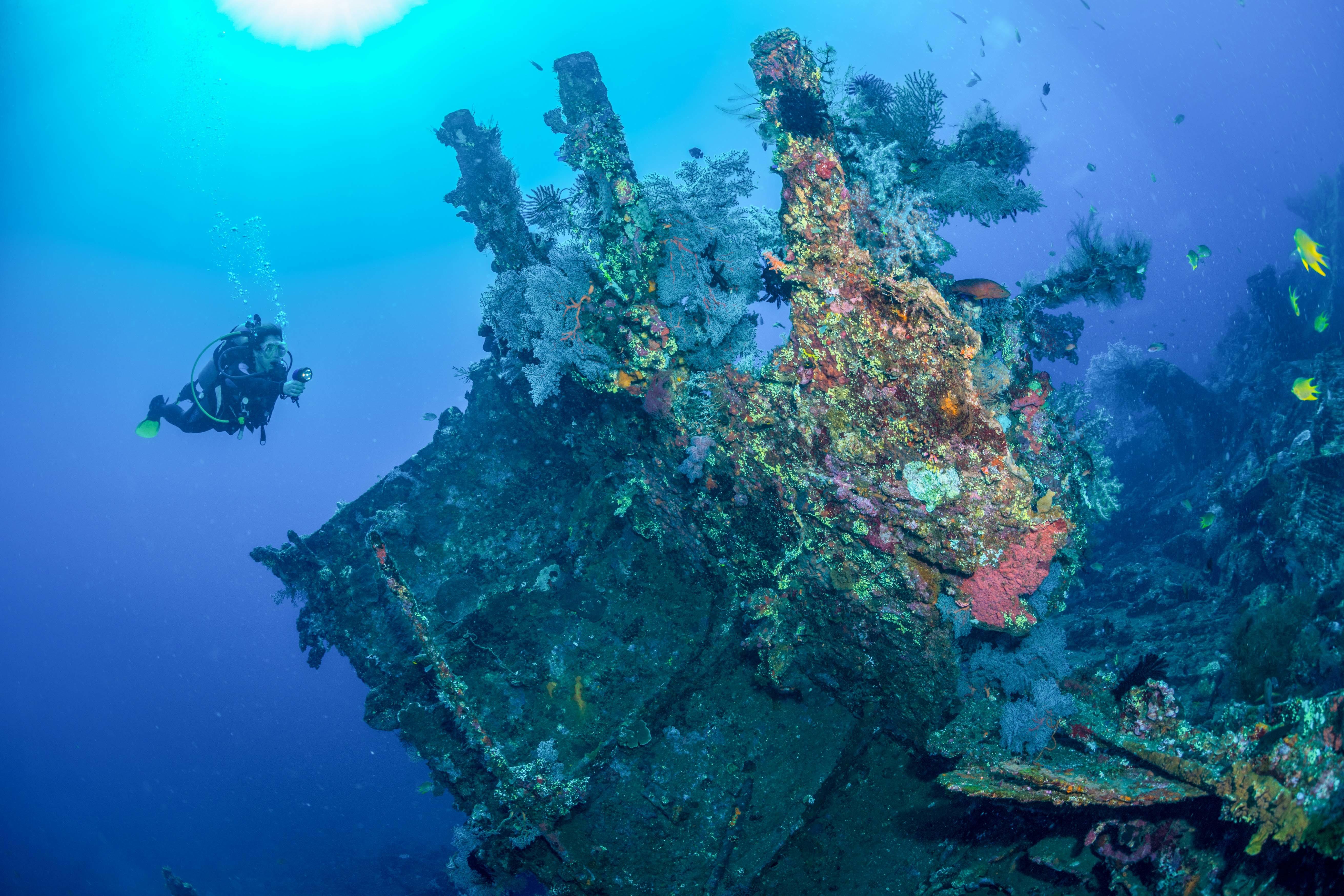
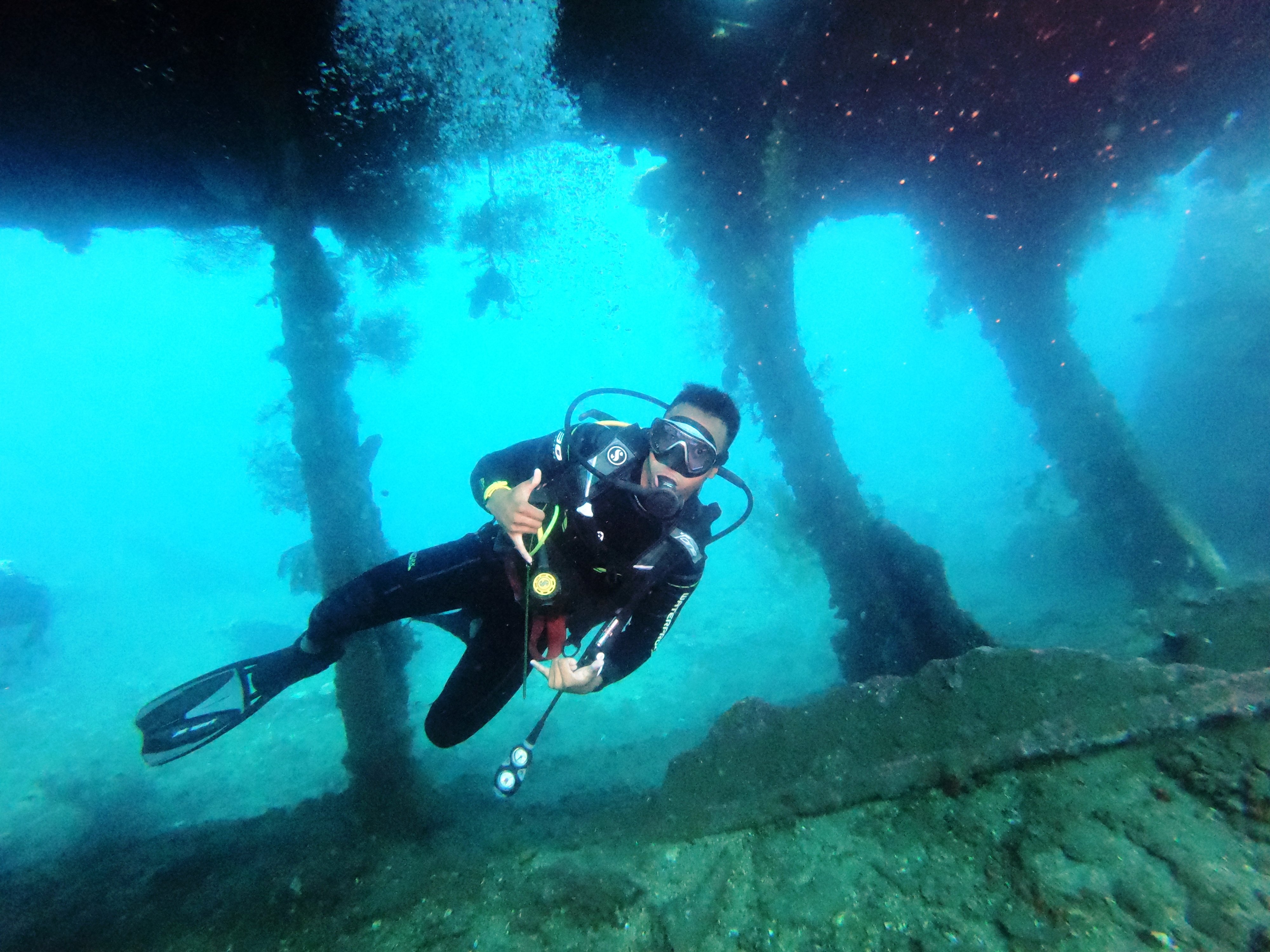
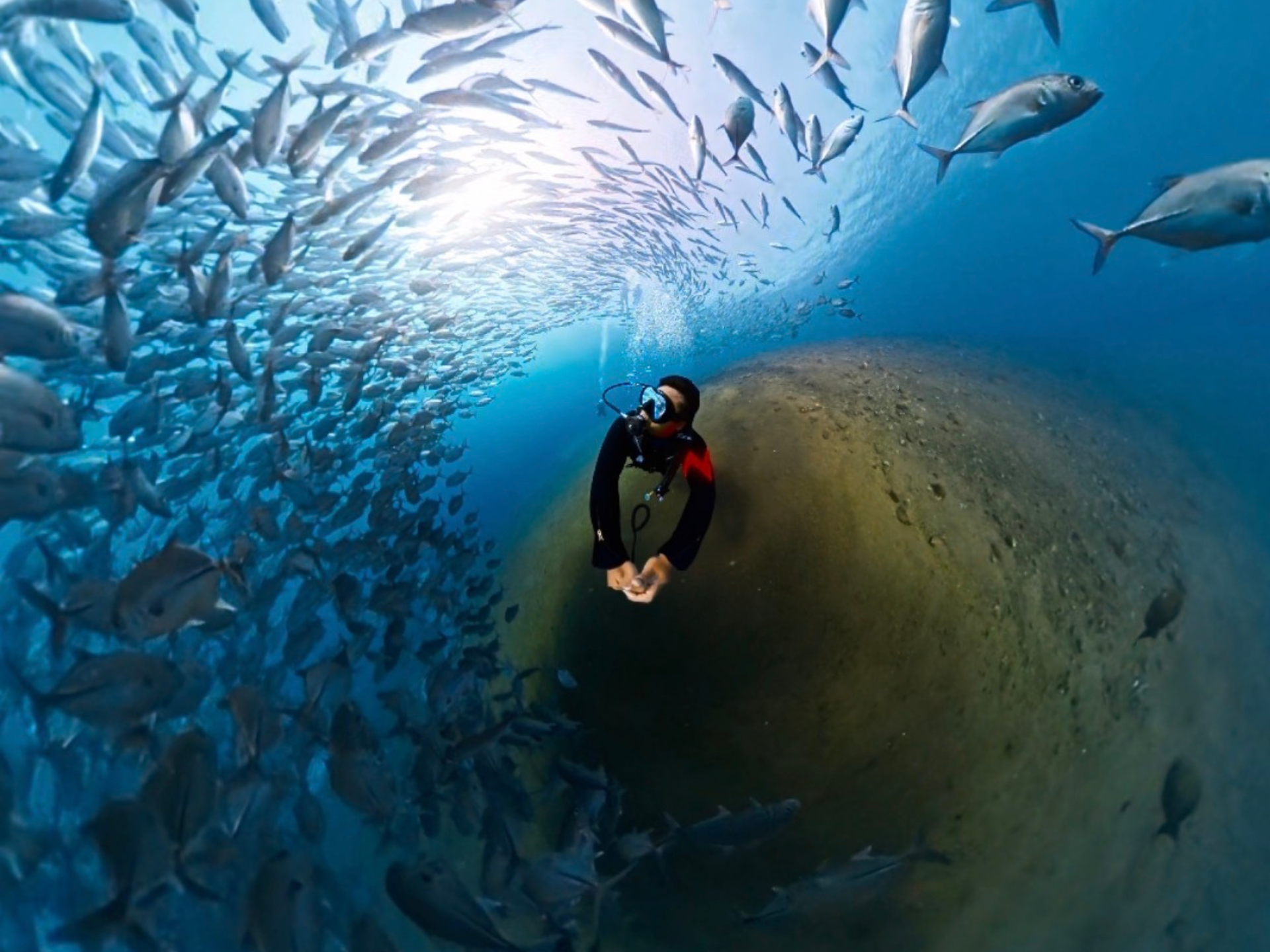
Day three shifts to Tulamben. You kit up on the rocky beach, weight belt adjusted for the thicker wetsuit, then giant-stride into the shallows. The Liberty's bow structure emerges at nine metres, its cargo holds colonised by soft corals and whip corals bending in the mild current. You practise compass navigation along the deck, pause to watch a school of bigeye trevally circle the stern, then ascend slowly through the safety stop at five metres while your dive computer counts down the minutes. Back on shore your instructor reviews your logbook, initials the certification card, and you leave with a credential recognised at every dive centre from the Maldives to Palau.
All the details about your upcoming adventure in one place
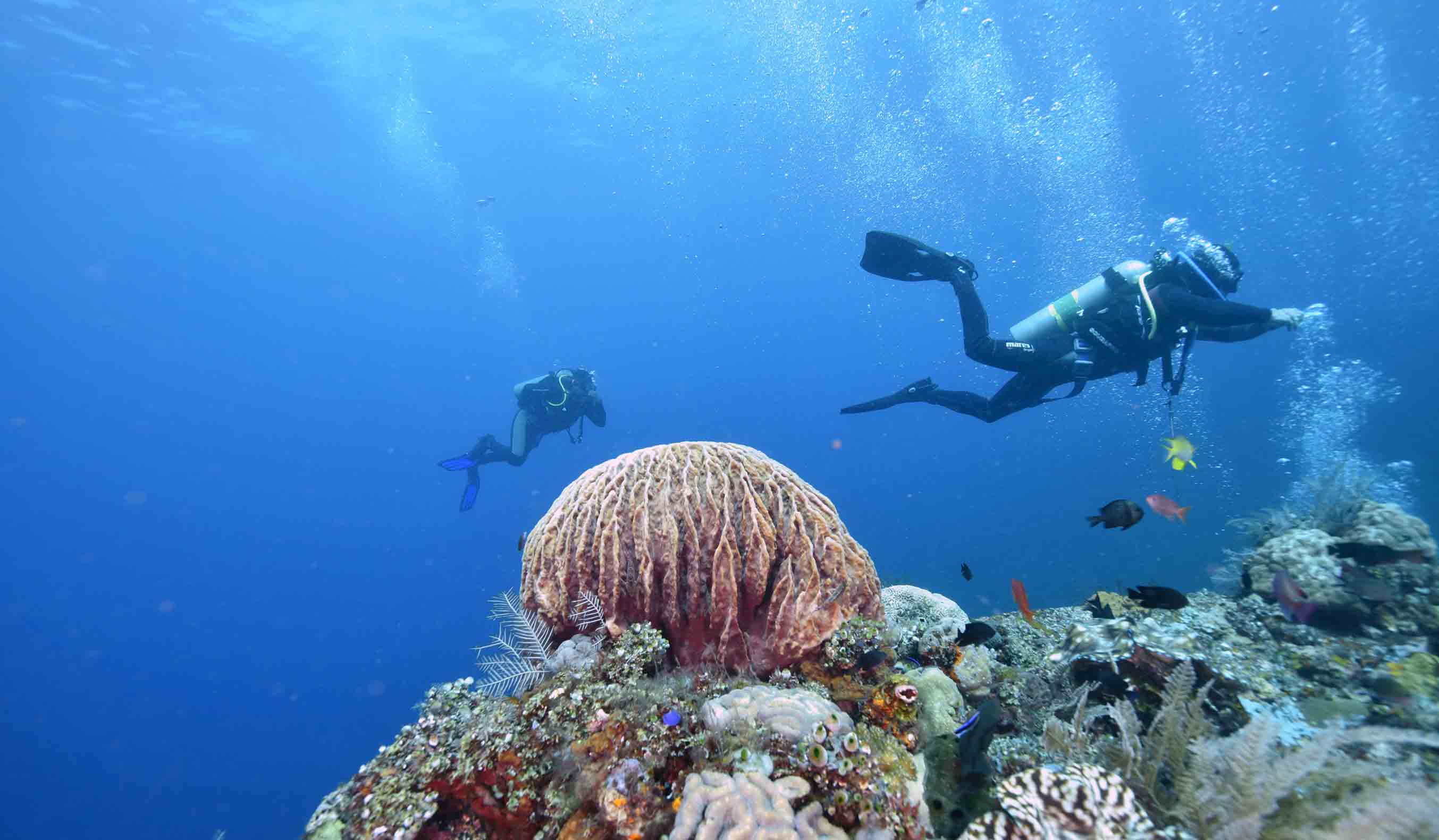
Indonesia claims more coral species than any other nation — 590 documented hard corals thrive across its archipelago, and Bali's eastern coast delivers direct access to that biodiversity alongside submerged remnants of the Second World War.
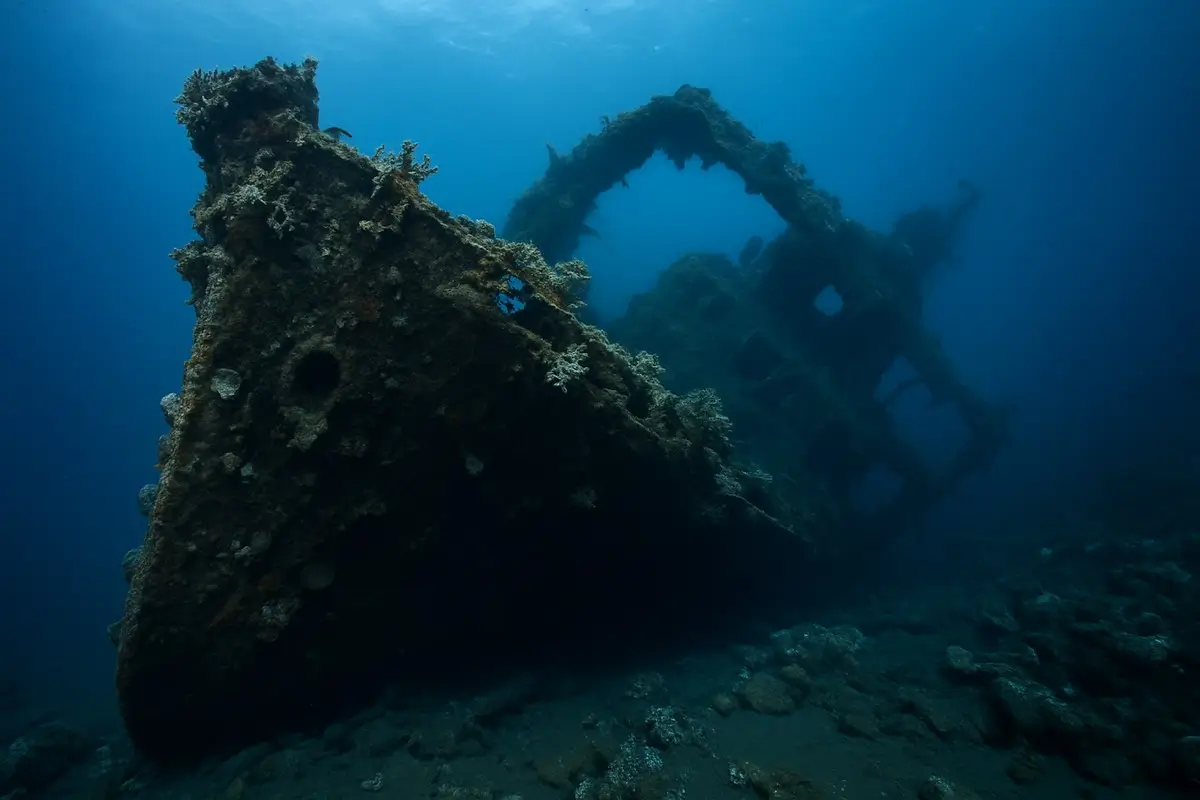
The island became a civilian dive hub in the 1980s when word spread of the USAT Liberty, a U.S. Army cargo vessel torpedoed by a Japanese submarine in 1942 and beached at Tulamben before a 1963 volcanic eruption pushed her hull into accessible depths between four and thirty metres. Today that wreck anchors an ecosystem dense enough to host pygmy seahorses, bumphead parrotfish, and seasonal mola mola migrations, drawing both novice divers earning Open Water credentials and technical divers chasing deep penetrations.
Bali diving course programs centre on three coastal zones. Sanur's shallow bays function as confined-water classrooms where instructors teach mask-clearing and buoyancy drills in wave-protected lagoons. Padangbai's Blue Lagoon offers a forgiving open-water environment — visibility typically reaches fifteen to twenty-five metres, and mild currents let trainees practise navigation without battling surge. Tulamben compounds training with real-world complexity: students completing their fourth checkout dive explore the Liberty's encrusted deck plating, encountering schooling jacks and resident sweetlips while demonstrating emergency ascent protocols. The wreck's shallow upper sections sit at twelve metres, accessible within recreational no-decompression limits, while the sand slope descends past thirty metres for advanced coursework.
Certification pathways follow PADI's modular structure. Three-day Open Water sequences alternate between theory sessions, confined-water skills in hotel pools or calm bays, and four open-water dives across two days. Discover Scuba programs condense the experience into single-day introductions capped at twelve metres, often staged at Tulamben or Amed where hard coral walls begin two metres from shore. Equipment hire — regulators, BCDs, wetsuits, dive computers — is included across programs, as is transport from southern Bali's hotel zones. Early morning departures align instruction with Bali's calmest surface intervals; by 10:00 the trades typically build chop that complicates shallow-water skills.
The island's dive schools maintain multilingual instructor rosters — English, Mandarin, Japanese, and Bahasa Indonesia coverage is standard — and small ratios. Open Water classes cap at four students per instructor; Discover Scuba groups rarely exceed two participants. This structure ensures focused attention during skills demonstration and real-time feedback when buoyancy or trim falters. Graduates leave with internationally recognised credentials valid across every PADI facility worldwide, from Red Sea liveaboards to Micronesian atolls, all earned in water warm enough to dive in three-millimetre shorties year-round.

The USAT Liberty wreck hosts pygmy seahorses and seasonal mola mola migrations, drawing both novice divers earning credentials and technical divers chasing deep penetrations.
Participants should wear comfortable swimwear for training. A rash guard is recommended to provide protection against the sun and minor abrasions.
Divers can store personal belongings in lockers provided at the dive center. Avoid bringing high-value items, as equipment is often stored in communal areas.
Underwater photography is permitted during training dives. Ensure your camera equipment is securely fastened and does not obstruct your buoyancy control during a bali diving course.
Children aged 10 and above are eligible for introductory bali diving course tours. Parental consent is mandatory for all minors participating in aquatic activities.
Training programs for a bali diving course require basic swimming proficiency. Many centers offer adaptive equipment to accommodate varying physical abilities.
Drinking water is provided on most dive boats. Consumption of alcohol is prohibited before or during any bali diving course activity for safety reasons.
Opening Hours
08:00–18:00
Address
Various locations including Sanur, Tulamben, and Padangbai, Bali
Accessibility
Varies by dive site, please inform your operator of physical limitations
Best Arrival
08:00–10:00
Storage
Secure lockers available at most dive centers
Car
Private transfer is the most reliable way to reach dive centers. Many operators include hotel pick-up in their bali diving course packages.
Taxi
Ride-hailing apps are widely available across Bali. Use these for flexible transport between accommodation and the dive site.
Cancellations made 48 hours before the scheduled bali diving course receive a full refund. The entrance fee of 0 IDR is waived for all participants as course fees cover all instruction and equipment.
Recommended time
Full day
To complete your bali diving course, plan for a full day of instruction covering theory and open water practice. We recommend arriving during the best arrival window of 08:00–10:00, as early morning offers the calmest sea conditions and best visibility for training dives. Participation in these bali diving course tours ensures you receive expert guidance, though you should anticipate moderate crowds at popular training sites like Padangbai by midday. Securing your bali diving course tickets in advance allows for a smooth start to your underwater certification journey.
Crowd levels through the day
Weather · crowds · average price — dots go green to amber to red as each metric rises.
April to June features dry weather and clear visibility for training dives. The ocean remains warm enough for extended sessions in the water.
July to September offers peak conditions with stable winds. Early morning arrivals ensure the calmest surface conditions for learning.
October to November is transitionary with occasional afternoon showers. Visibility remains adequate for most bali diving course modules.
December to March experiences increased rainfall. Training schedules may shift to accommodate weather patterns.
Verify that all equipment fits comfortably before leaving the shore. A well-fitted suit ensures you stay warm during long sessions in the water.
Focus on neutral buoyancy techniques from the start. Proper weighting is essential for success in every bali diving course.
Drink plenty of fresh water throughout the day. Dehydration is common during tropical dives and affects your ability to concentrate.
Dedicate extra time to mask clearing exercises in the pool. Mastering this skill increases your confidence for the bali diving course open water dives.
Update your digital or paper logbook after every dive. This record is vital for tracking your certification requirements.
Recreational scuba diving arrived in Bali during the late 1960s when European and Australian adventurers began exploring the island's coral reefs with rudimentary equipment and no formal instruction. The first documented dive operation opened in Sanur in 1973, offering basic equipment rental and boat services to visiting divers who already held certifications from abroad. Structured bali diving course programs emerged only in the mid-1980s after PADI and NAUI established instructor training protocols for Indonesia, enabling local operators to certify students under internationally recognized standards. The 1990s brought rapid expansion as Bali's tourism infrastructure matured and the island's dive sites—particularly the USAT Liberty shipwreck in Tulamben and the coral gardens of Amed—gained international recognition. By 1995, more than twenty dive centers offered Open Water certification across the island, competing primarily on price rather than training quality. This led to concerns about instructor ratios and safety protocols, prompting the Indonesian Ministry of Tourism to impose licensing requirements in 1998 that mandated minimum equipment standards and student-to-instructor ratios for all bali diving course operators. The 2002 bombings in Kuta devastated Bali's tourism sector, forcing many dive schools to close permanently. The survivors consolidated around established sites like Padangbai and Tulamben, where consistent marine conditions and proximity to accommodation supported year-round operations. Recovery accelerated after 2006 as operators introduced nitrox training, underwater photography courses, and technical diving programs to diversify revenue streams beyond entry-level certifications. Today, bali diving course tours operate from multiple coastal hubs with standardized equipment, multilingual instruction, and digital certification systems that replaced the paper logbooks of earlier decades.
European and Australian divers begin exploring Bali's reefs without formal instruction or local infrastructure.
First commercial dive operation opens in Sanur, offering equipment rental and boat services to visiting certified divers.
PADI and NAUI establish instructor training in Indonesia, enabling local operators to offer internationally recognized certification courses.
More than twenty dive centers compete across Bali, prompting government concerns about safety standards and training quality.
Indonesian Ministry of Tourism imposes licensing requirements and mandates student-to-instructor ratios for all dive schools.
Kuta bombings collapse tourism industry, forcing consolidation of operators around Tulamben and Padangbai dive sites.
Recovery brings diversification into nitrox, technical diving, and underwater photography training programs.
Digital certification systems and standardized safety protocols replace earlier paper-based logbooks and ad-hoc training methods.
Stand near the mid-section remains in shallow water to capture the structure covered in soft corals and schooling fish. This site is ideal for those undertaking a bali diving course who want to document their underwater training sessions.
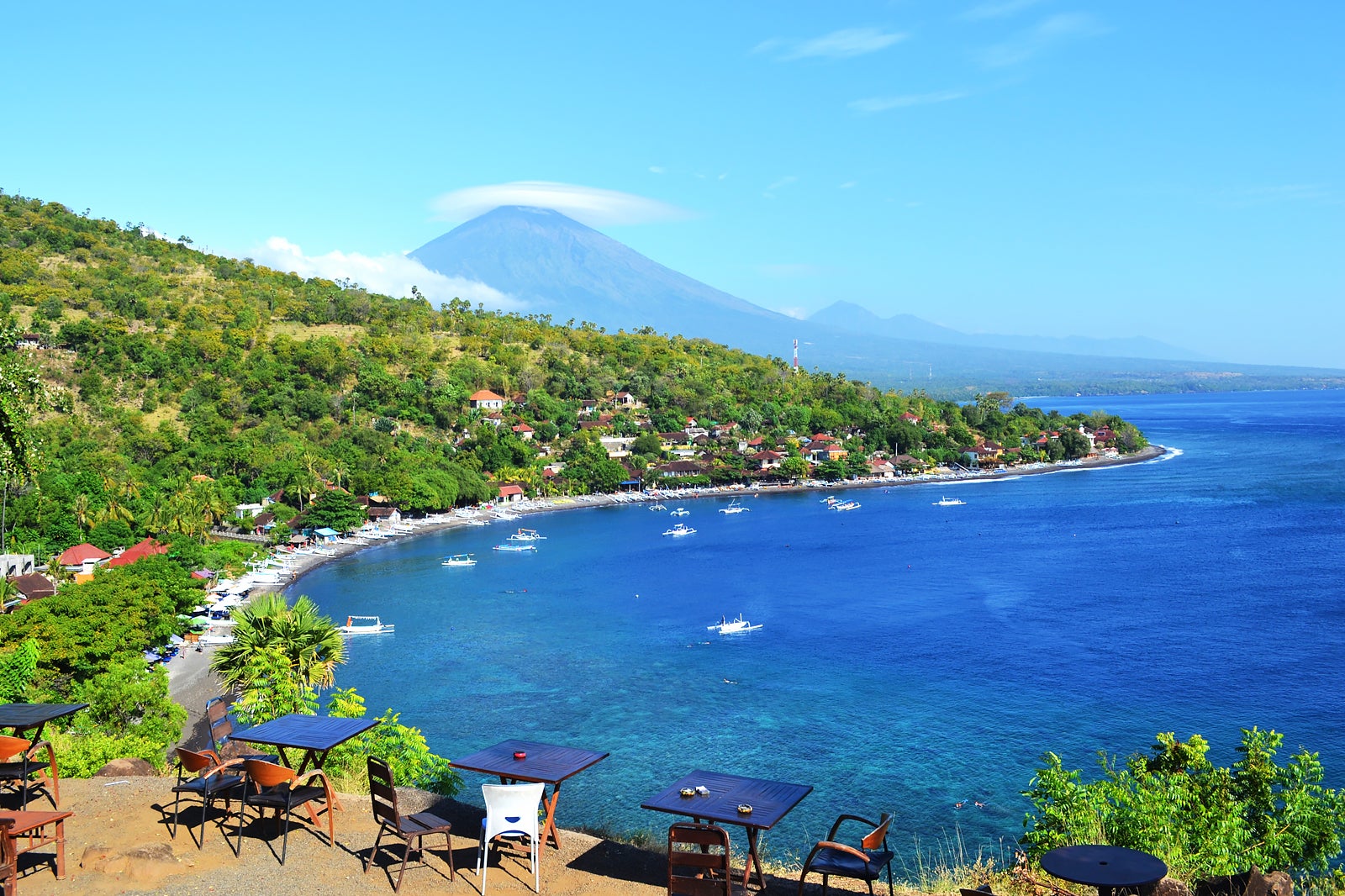
Position your camera at the water line during gear preparation to frame the volcanic black sand against the ocean horizon. This serves as a classic landscape shot before you begin your bali diving course tour.
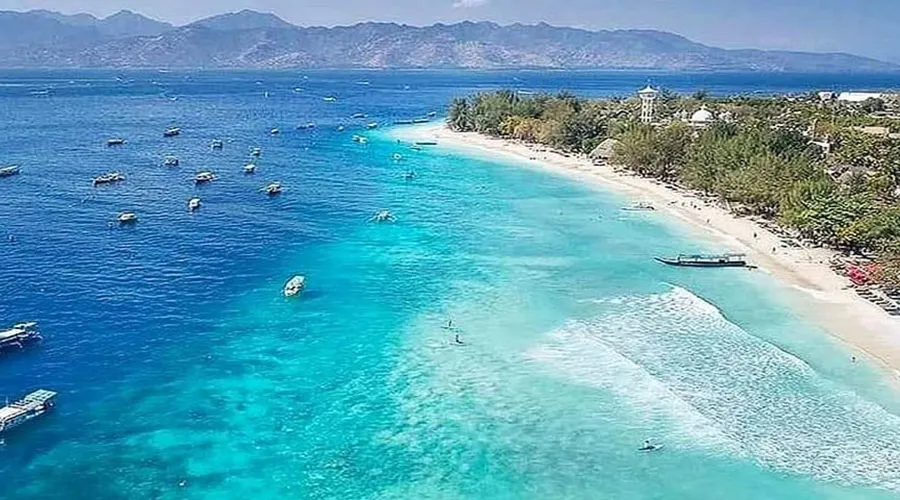
Capture the vibrant turquoise water and surrounding cliffs from the small wooden boat before descending for your dive. This viewpoint provides a clear overview of the site where many beginners use their bali diving course tickets.
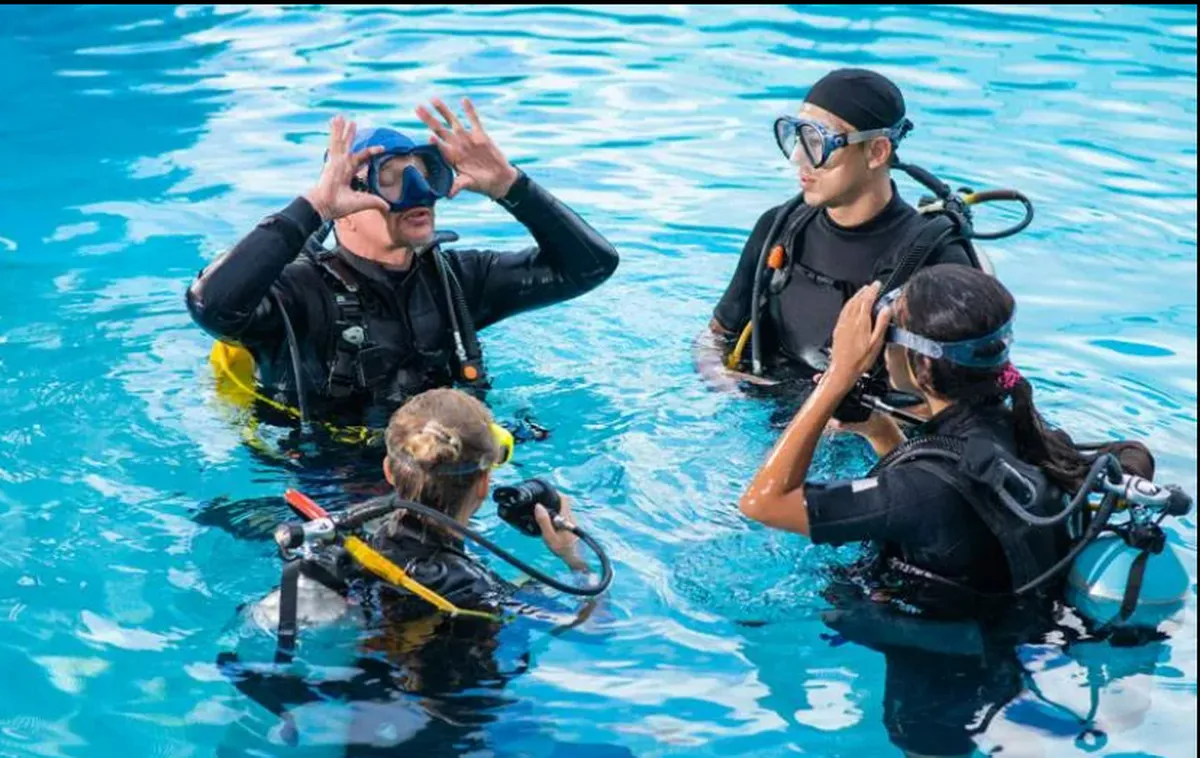
Frame the shallow end of the purpose-built pool to show instructors demonstrating buoyancy control and equipment assembly. It is a controlled environment perfect for clear, crisp shots of initial certification skills.
Families looking to explore the ocean together will find that a bali diving course offers structured, safe environments for all skill levels. Engaging in these underwater programs allows children and parents to gain confidence while learning marine conservation practices.
Most training sites in Sanur and coastal areas are not stroller-friendly due to sand and uneven terrain, so a baby carrier is recommended for younger siblings.
Children as young as eight or ten can often participate in introductory sessions or junior certification programs, depending on the specific bali diving course tours selected.
Training centers provide essential gear like tanks, regulators, and buoyancy control devices, but parents should confirm the availability of child-sized equipment before booking their bali diving course tickets.
To ensure safety, training is structured with frequent breaks and shallow water practice, making these bali diving course tour options manageable for developing attention spans.
The best arrival window is 08:00–10:00, which helps families avoid peak heat and ensures the calmest sea conditions for practice sessions.
Entrance fee is 0 IDR as costs are bundled into the instruction, with various locations including Sanur, Tulamben, and Padangbai, Bali available for your underwater adventure.
Refueling near your bali diving course is easy, as popular training hubs like Sanur and Tulamben offer plenty of local eateries. Most students head to nearby beachside warungs to enjoy authentic Indonesian cuisine between sessions on these bali diving course tours.
Located in Sanur, this spot serves fresh nasi goreng and gado-gado ideal for a post-dive lunch. It remains popular with divers booking bali diving course tickets who want a quick, affordable meal.
A staple in Tulamben, offering a mix of western dishes and local specialties right near the water. It is a reliable choice when finalizing your bali diving course tour requirements.
This Sanur venue provides healthy smoothies and breakfast bowls perfect for morning energy. It is an excellent stop before heading out for marine life observation.
Everything you need to know for your journey
Most certification programs require 3 to 4 days to complete. Practical training is balanced with theory sessions to ensure full comprehension of safety protocols.
All training and equipment are included in the price of the bali diving course, so no additional tickets are required.
You can schedule your training or visit a center between 08:00 and 18:00 daily. All operators follow these standard operating hours.
Basic swimming proficiency is required to ensure safety during your bali diving course. Instructors provide guidance to help you build comfort in the water.
Yes, introductory programs are designed for complete beginners. You will receive comprehensive training to safely enjoy your first bali diving course experience.
The best arrival window is 08:00–10:00 to take advantage of the calmest sea conditions. Early mornings provide the best visibility for training dives.
The entrance fee is 0 IDR, as course fees cover all instruction and equipment. There are no hidden costs for visiting the training locations.
Yes, family members are welcome to wait at the dive center or on the boat during your bali diving course. Please check with your operator regarding boat capacity.
Cancellations 48 hours before the start of a bali diving course tour receive a full refund. This policy applies to all bookings including those at Sanur, Tulamben, and Padangbai.
Historic shipwreck accessible for shore dives
Scenic bay area used for training
Popular coastal strip for water activities
Coastal area featuring coral reef research
Coastal accommodation near training centers
Beachfront access for shore divers
Walking distance to major dive operators
Join thousands of happy travelers who have discovered this incredible experience
Book Your Experience Now