
7 hr
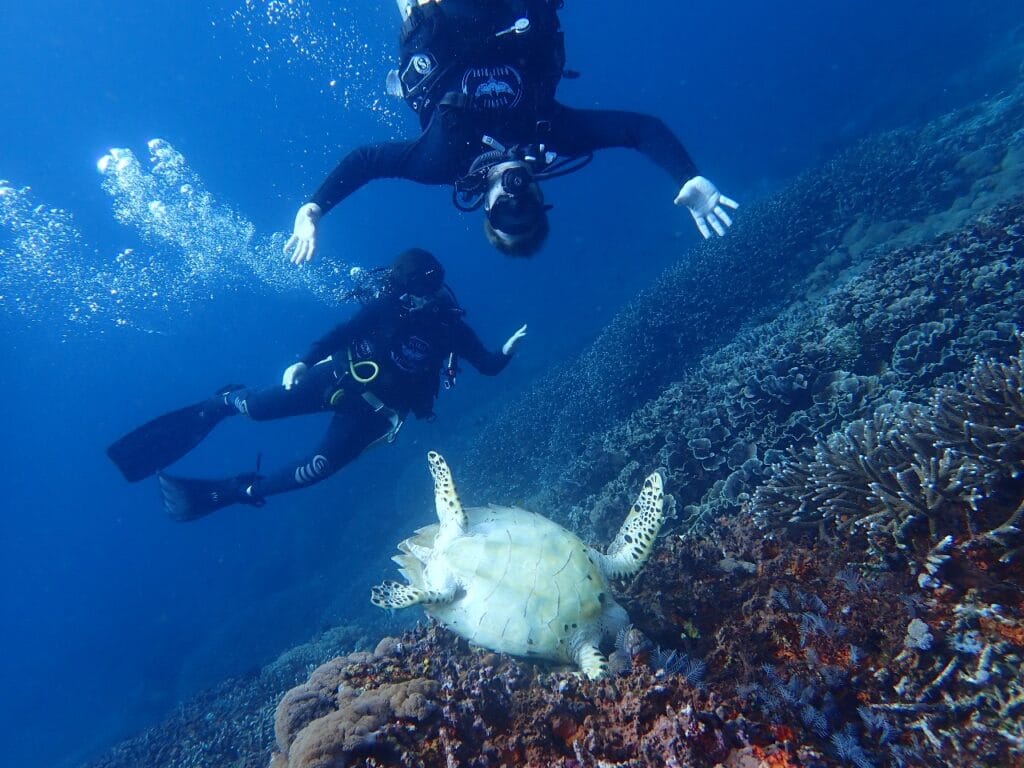
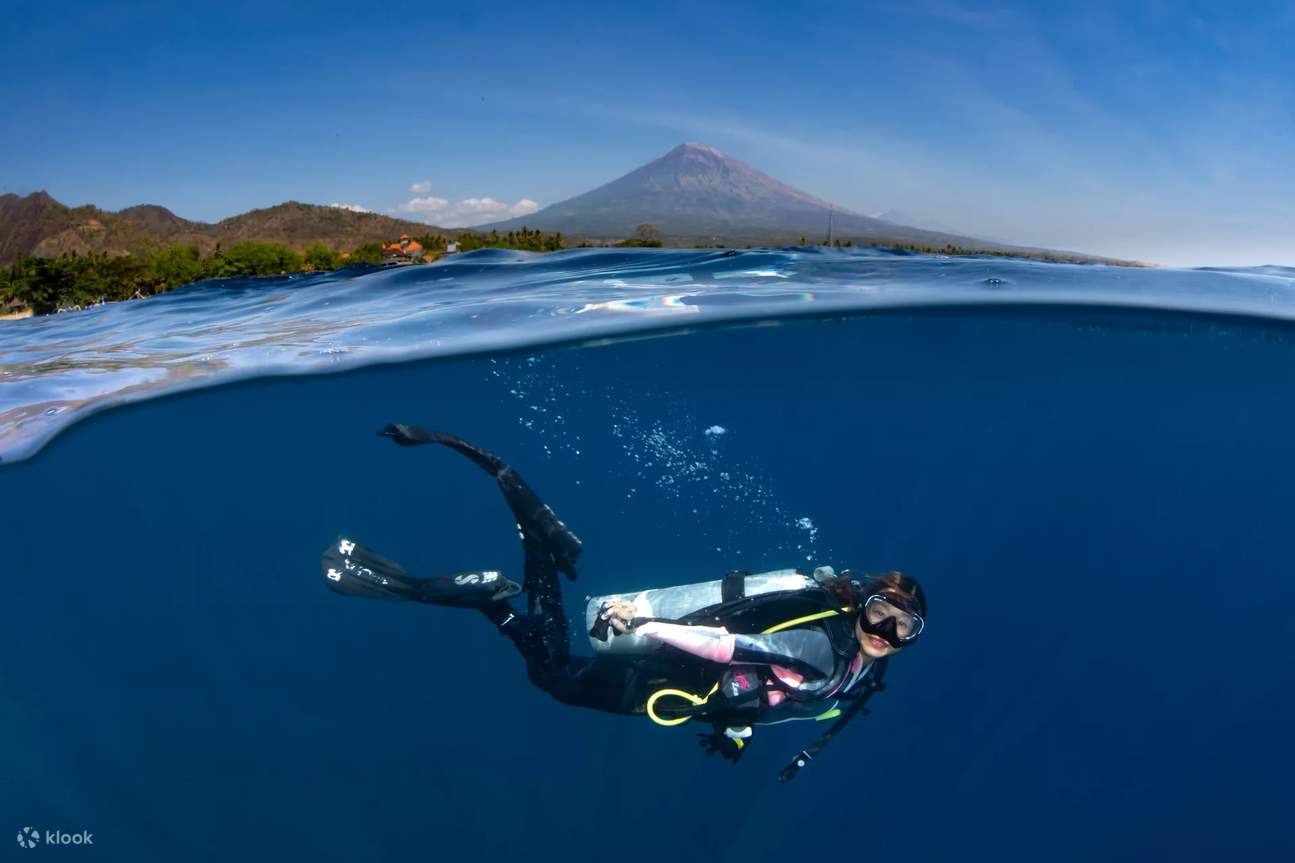
Blue Lagoon Beginner Scuba Diving in Padangbai
- Expert local guide
- Small group
- Skip-the-line access
- Free cancellation
Bali Diving Trip — Wrecks, Reefs & Open-Water Certification
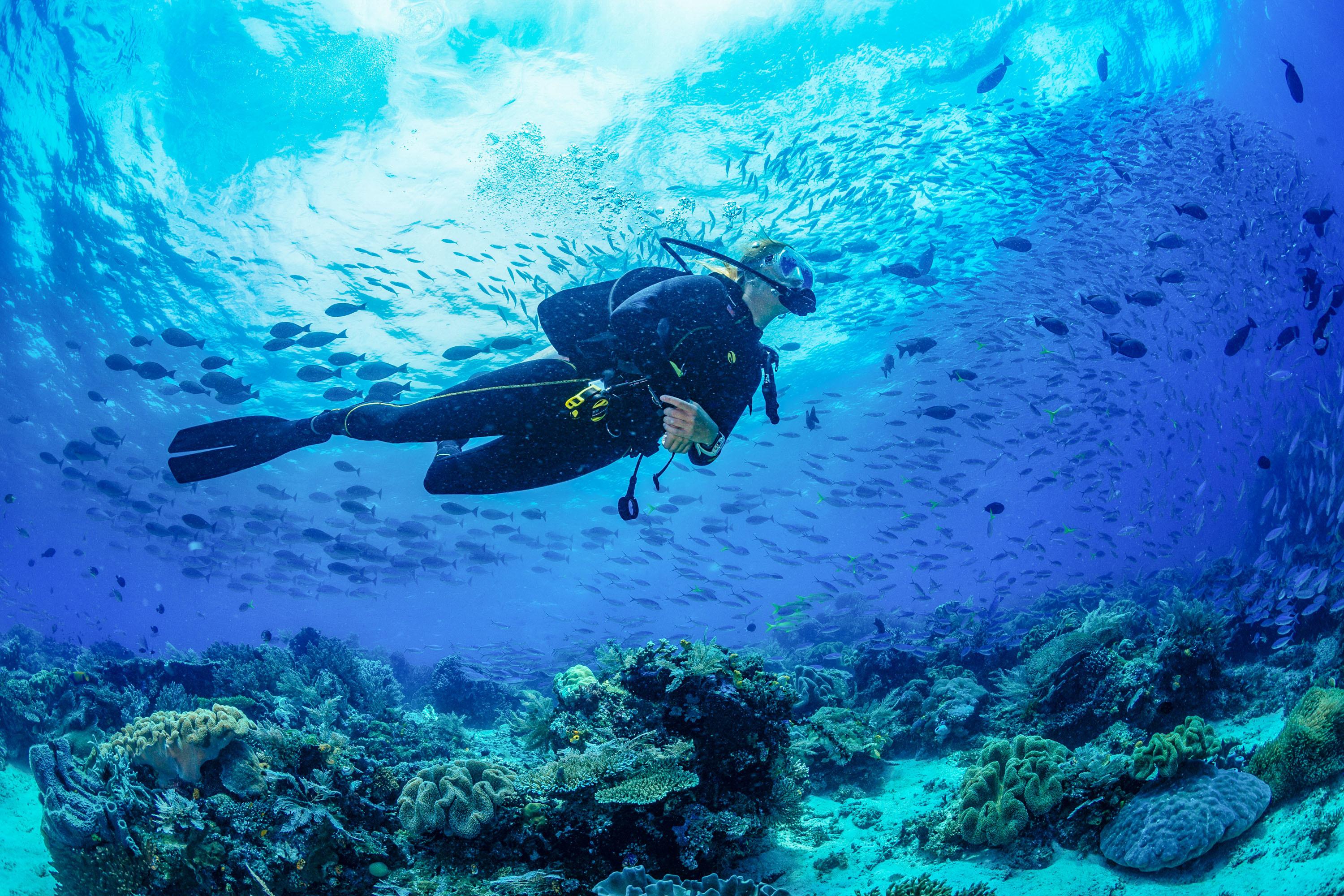
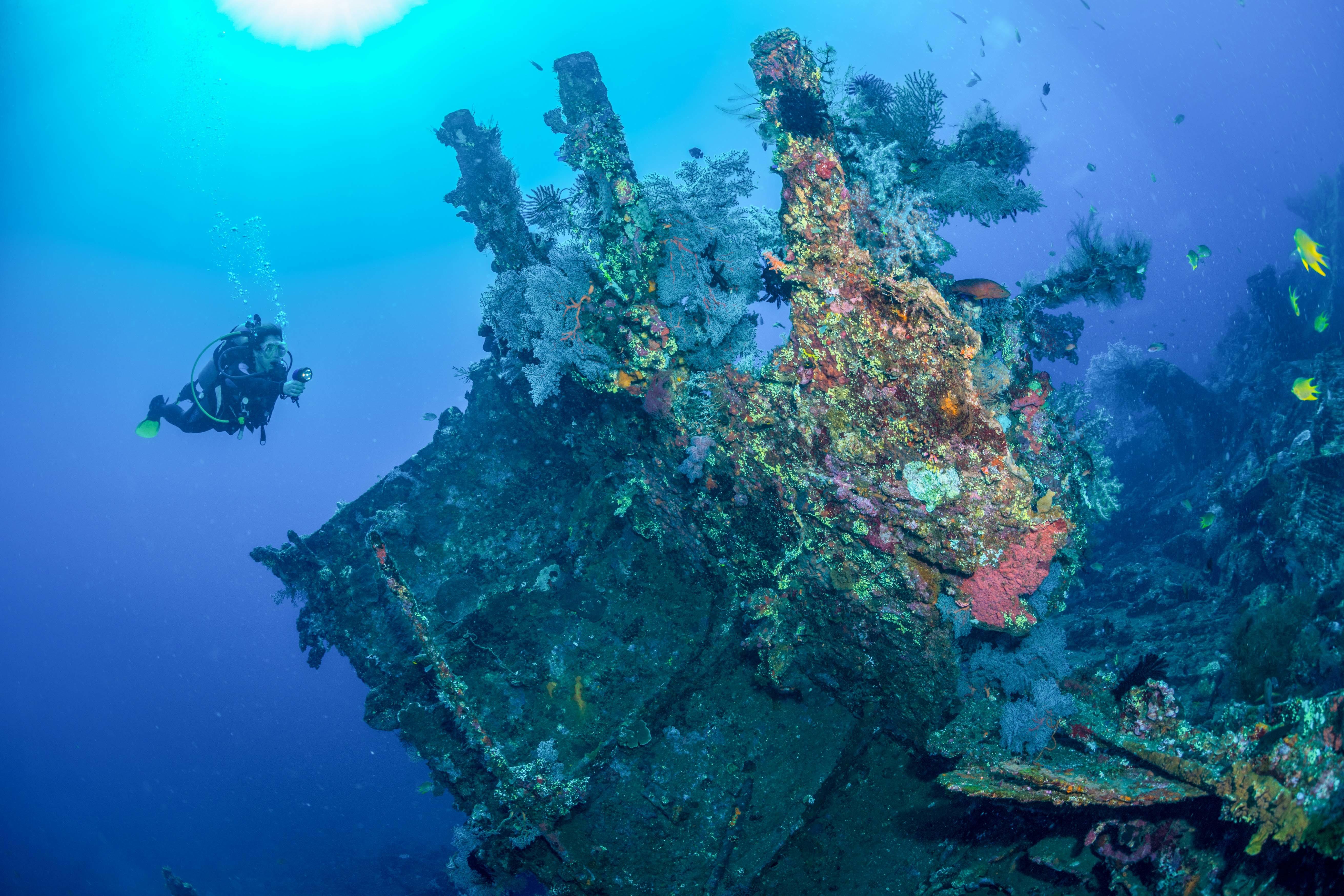
Liberty's hull at dawn, manta rays off Penida's cliffs
Compare fares, pick the fit — all bookings are mobile-voucher and eligible for free cancellation where shown.
7 hr
9 hr
72 hr
Selecting the right bali diving trip depends on your prior experience underwater and the time you wish to dedicate to marine exploration. Understanding these access levels helps ensure your excursion aligns with your aquatic skills and comfort.
| Discovery Dive Non-certified |
Top pick Open Water Course PADI Certification |
Fun Dives Certified Divers | |
|---|---|---|---|
| Prerequisites | None | Basic swimming skills | Valid diving certification |
| Certification Level | Introductory | Entry-level license | Advanced/Rescue |
| Time Commitment | Half-day | 3 to 4 days | Flexible daily trips |
| Instruction Type | Guided 1-on-1 | Comprehensive curriculum | Independent buddy system |
| Primary Focus | Coral reef exposure | Skill development and safety | Specific underwater sites |
| Best for | Beginners | New divers | Experienced explorers |
| See tickets & prices |
Verdict: Those pursuing bali diving trip tickets should choose the Open Water Course for full certification or select fun dives if already qualified.
Worth it for diverse marine life encounters
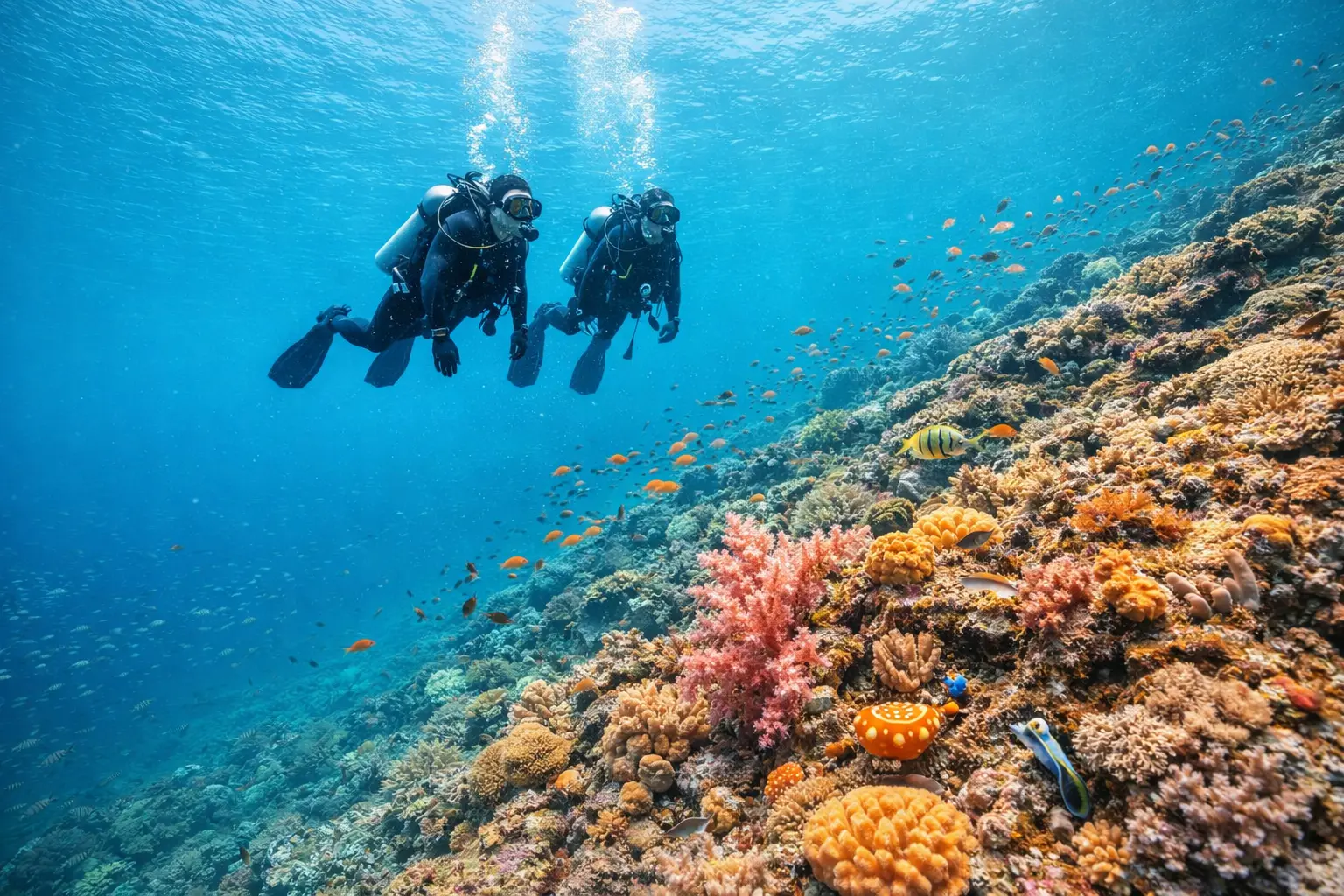
A bali diving trip delivers strong value when you account for what's included: reputable operators maintain well-serviced equipment, enforce low instructor-to-diver ratios (often 1:4 or better), and absorb conservation fees into package pricing. The Blue Lagoon Beginner Scuba Diving in Padangbai runs around IDR 850,000–1,100,000 and suits first-timers with calm conditions and macro critters. The Tulamben USAT Liberty Wreck Dive Adventure costs roughly IDR 900,000–1,200,000 and places you on Bali's most iconic wreck at shallow depth. Multi-day certification courses like the 3-Day PADI Open Water hover near IDR 6,500,000–7,500,000, covering all materials and dives. Nusa Penida three-dive packages, priced around IDR 1,800,000–2,300,000, target pelagics—manta rays and mola mola—but demand strong currents experience. For scuba diving enthusiasts chasing variety, Bali's mix of muck diving, coral gardens, and pelagic sites in one island justifies the spend; casual snorkelers may find surface-level reef tours sufficient.
Bottom line: If you're pursuing varied marine encounters and proper instruction, bali diving trip tours deliver measurable value across skill levels.
They complement each other; most divers who experience both find the remote reefs of a Komodo liveaboard more thrilling, while Bali diving trip tours offer superior logistical flexibility. Exploring these iconic Indo-Pacific waters provides distinct advantages depending on whether you prioritize creature comforts or sheer biodiversity.
|
Top pick Bali Diving |
Komodo Liveaboard | |
|---|---|---|
| Dive Accessibility | Shore-based or short boat trips | Remote remote boat-based access |
| Accommodation Style | Private hotel or villa | Shared or private cabin |
| Number of Dives Per Day | 1–3 dives daily | 3–4 dives daily |
| Marine Life Variety | Macro focus and coral reefs | Pelagic species and strong currents |
| Land-Based Sightseeing Opportunities | Extensive cultural and jungle sites | Limited to island trekking |
| Overall Trip Cost | Budget-friendly to luxury options | High-tier all-inclusive pricing |
| See tickets & prices |
Verdict: Choose a Bali diving trip tour if you prefer relaxing on land between dives, whereas Komodo is superior for those seeking non-stop underwater immersion using specific bali diving trip tickets for nearby excursions.
Hand-picked experiences loved by thousands of travelers
8 hours
Free Cancellation
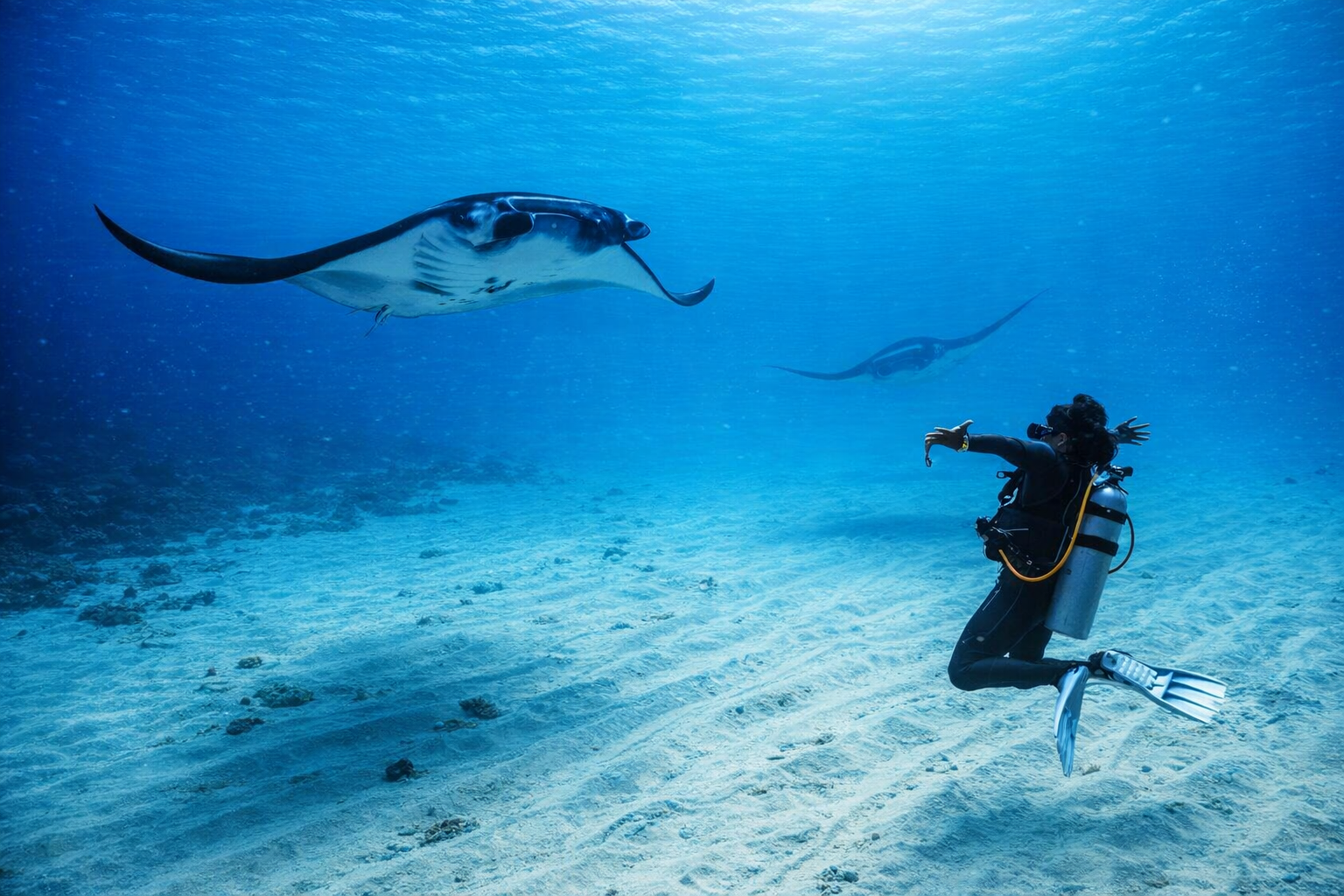
Full-day scuba adventure exploring three premier dive sites around Nusa Penida with manta rays and sunfish
9 hours
Free Cancellation
Explore Bali's iconic sunken warship on a beginner-friendly scuba adventure with optional kayaking.
5 hours
Free Cancellation
Learn to dive in shallow waters before exploring a legendary wartime shipwreck off Bali's northeast coast
8 hours
Free Cancellation
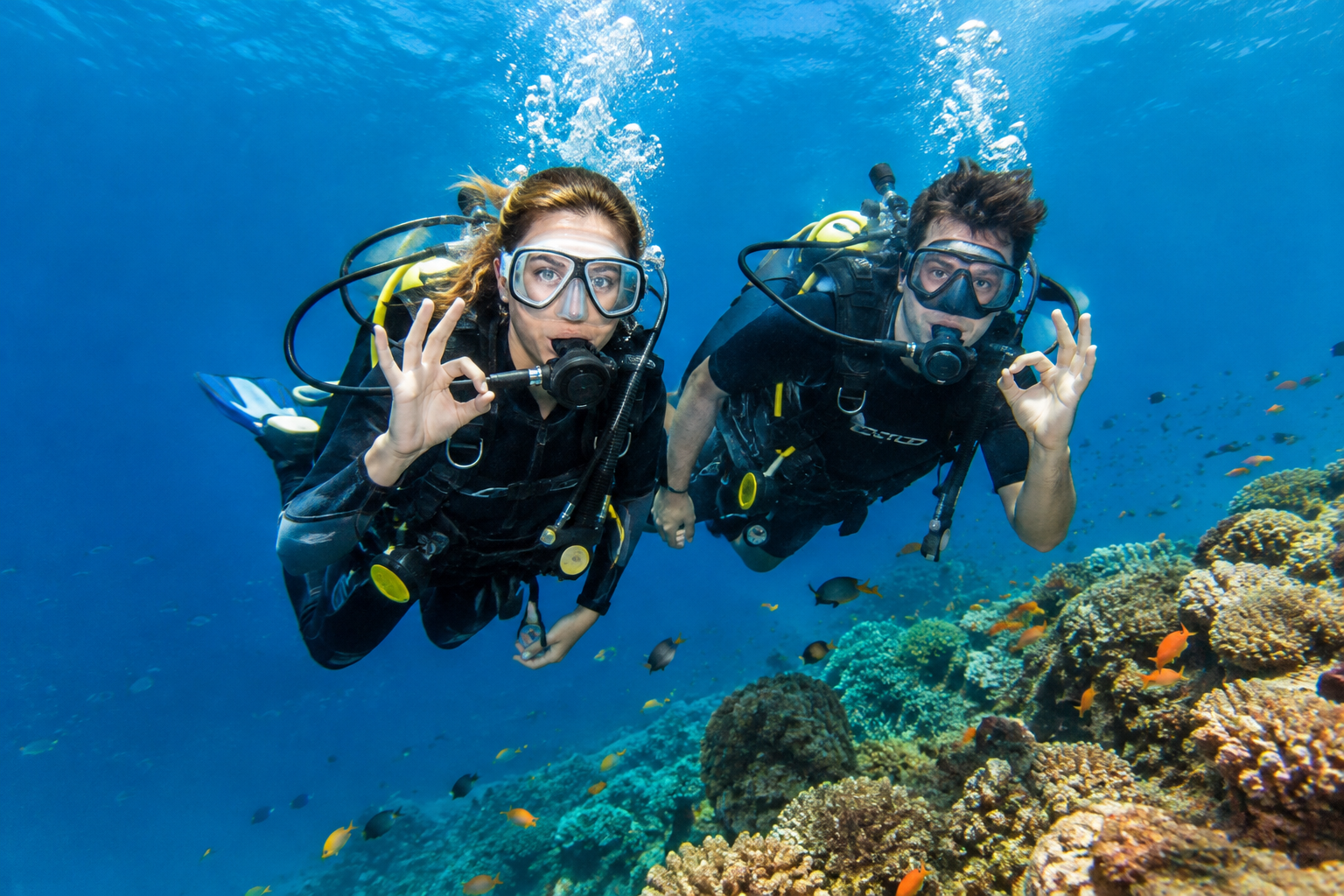
Explore vibrant underwater worlds with zero experience required—two guided dives, manta encounters, and full support included.
6 hours
Free Cancellation
Explore underwater coral gardens and tropical fish on your first dive with expert guidance and transfers
7 hours
Free Cancellation
Explore vibrant reefs and encounter manta rays on a full-day scuba expedition to Nusa Penida's best sites
5 hours
Free Cancellation
Discover underwater Bali with pool training, then dive the USS Liberty wreck and tropical fish paradise
9 hours
Free Cancellation
Full-day island escape combining four snorkeling stops, manta ray encounters, and the iconic Kelingking Cliff viewpoint
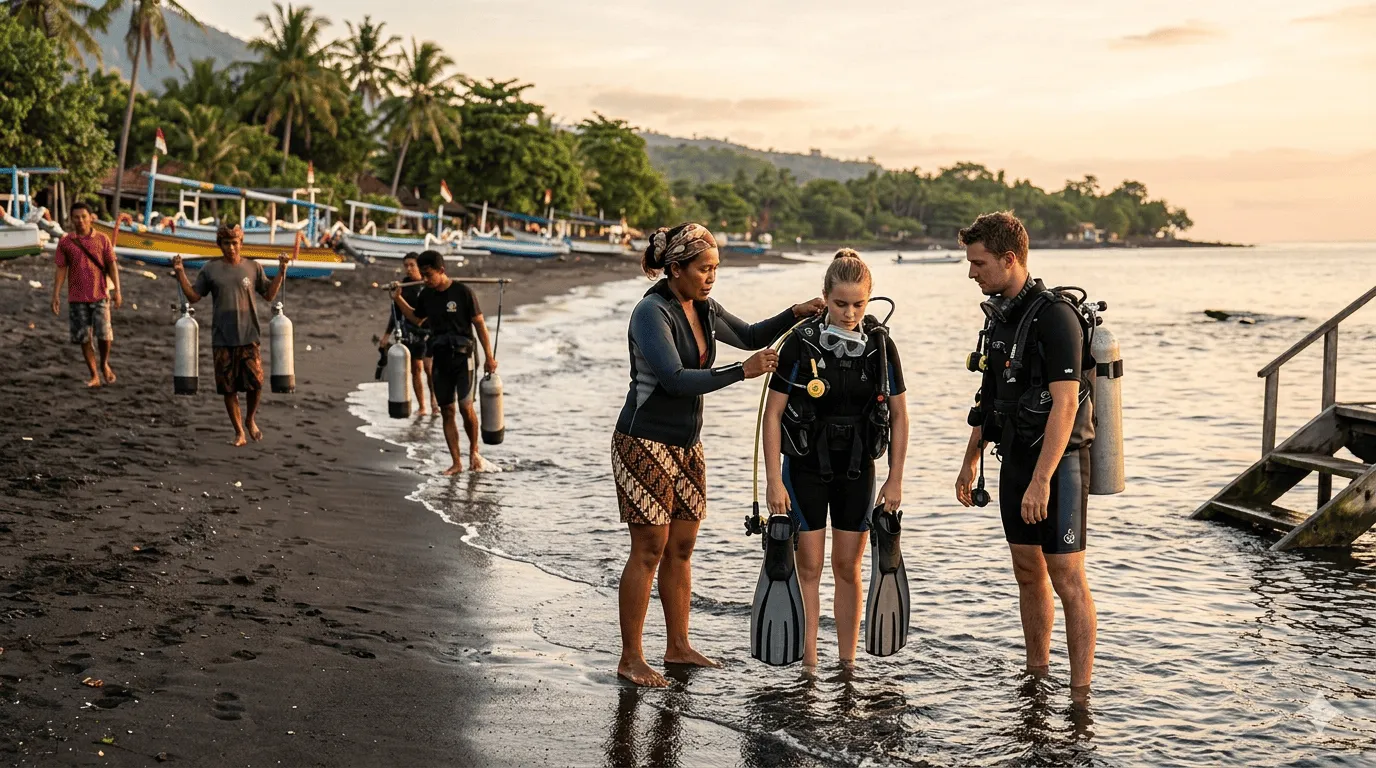
Meet at the designated dive center for gear fitting
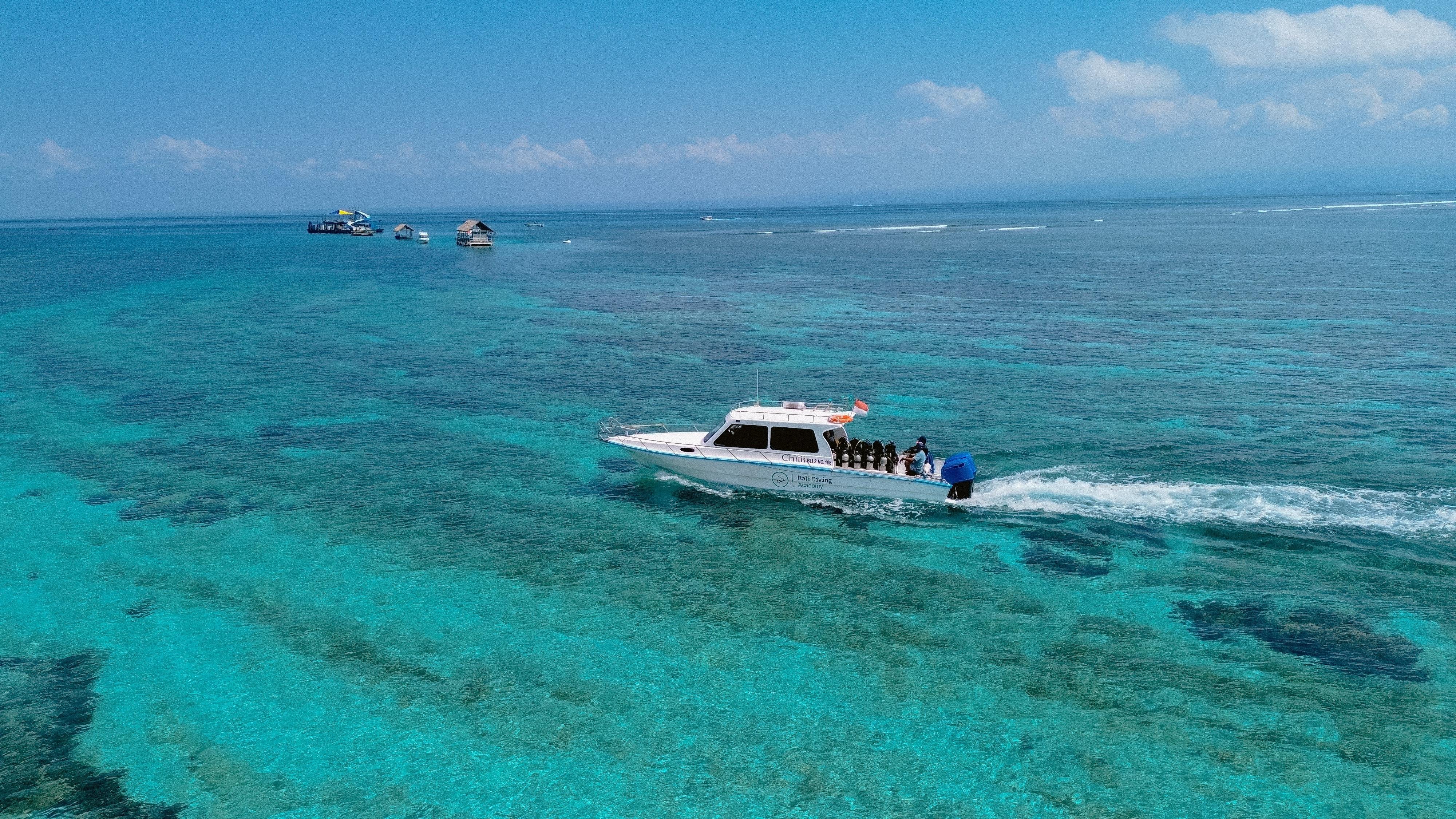
Travel to the selected dive site by boat
Two guided underwater sessions
Return to port and debriefing
This WWII cargo ship sits in shallow water and is covered in vibrant coral growth.
This site features a high diversity of macro life and gentle sloping topography.
Known for sightings of the elusive Mola Mola in deep channels.
A shallow, sandy site perfect for spotting turtles and cuttlefish.
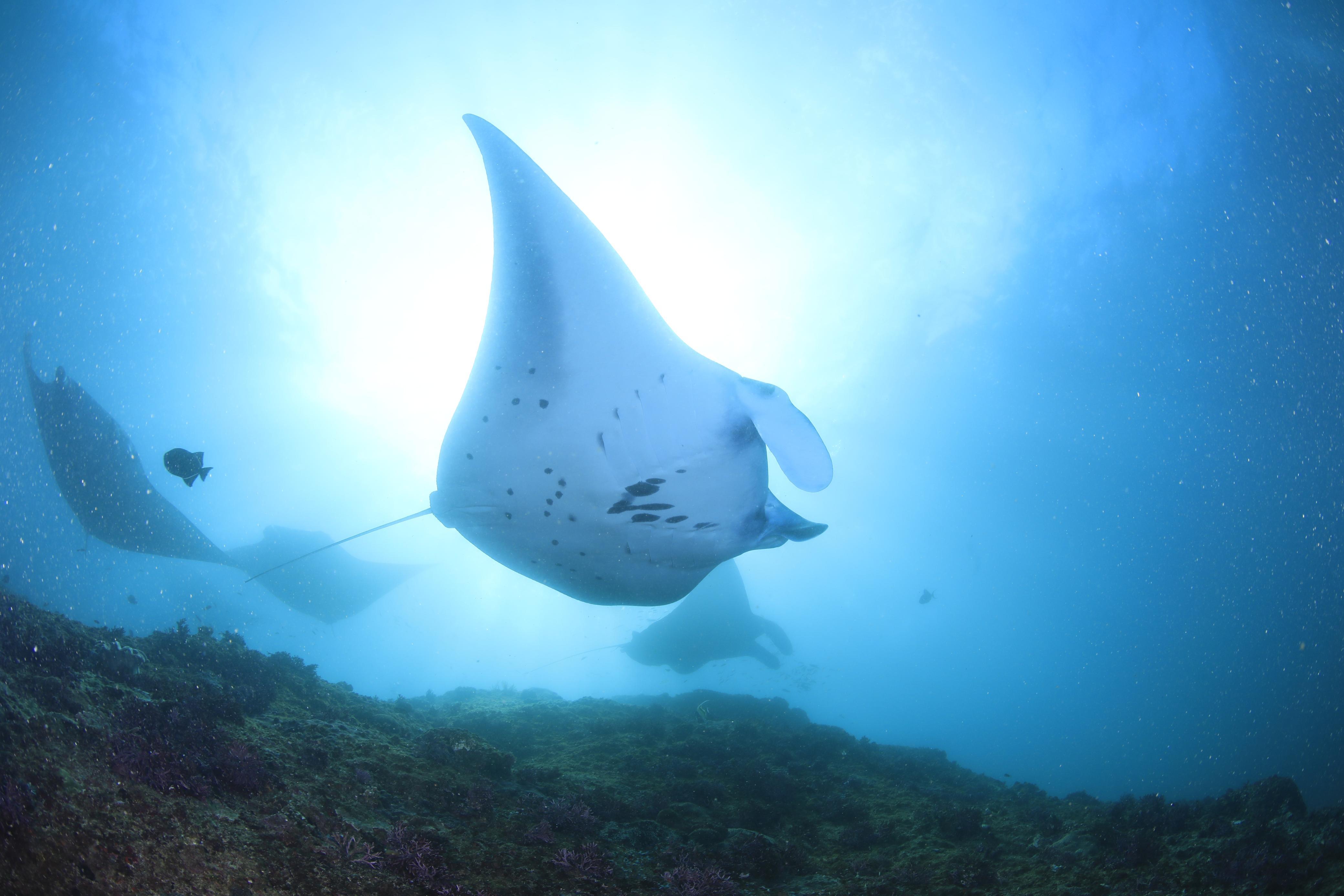
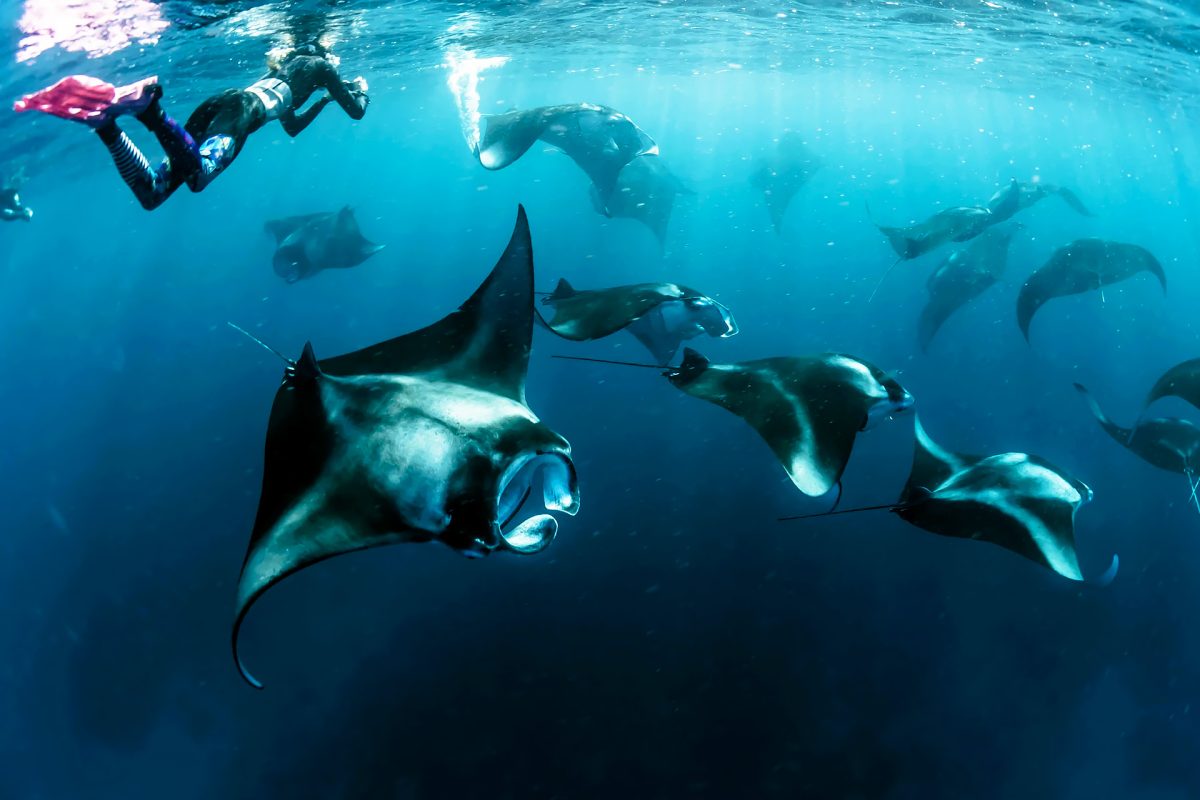
A cleaning station where large manta rays frequent the area.
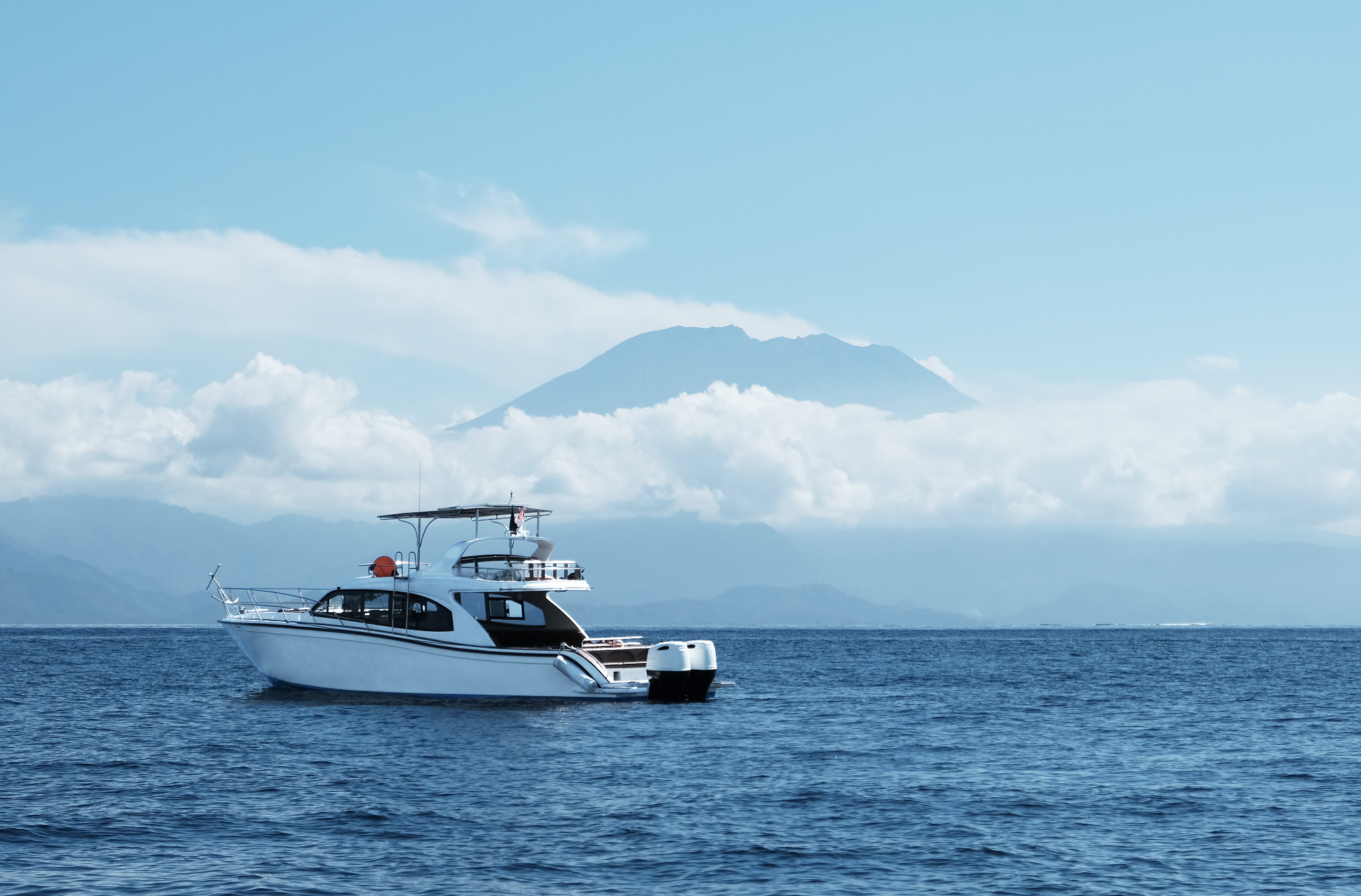
You board the jukung outrigger at Tulamben beach before first light, wetsuit half-zipped as the crew loads twin tanks and regulators. The boat motors past the volcanic shoreline, and you roll backward into water still dark enough to require a torch.
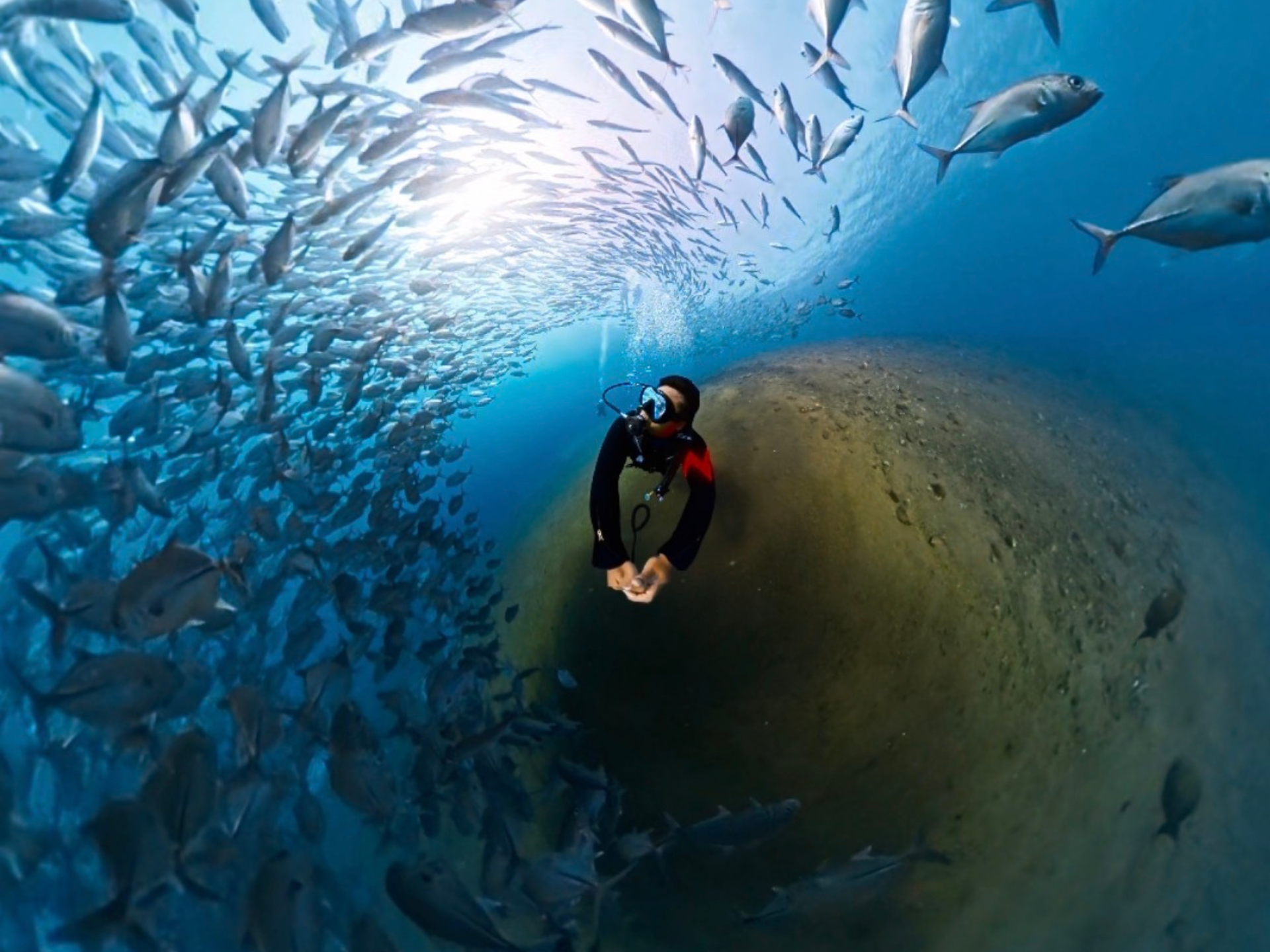
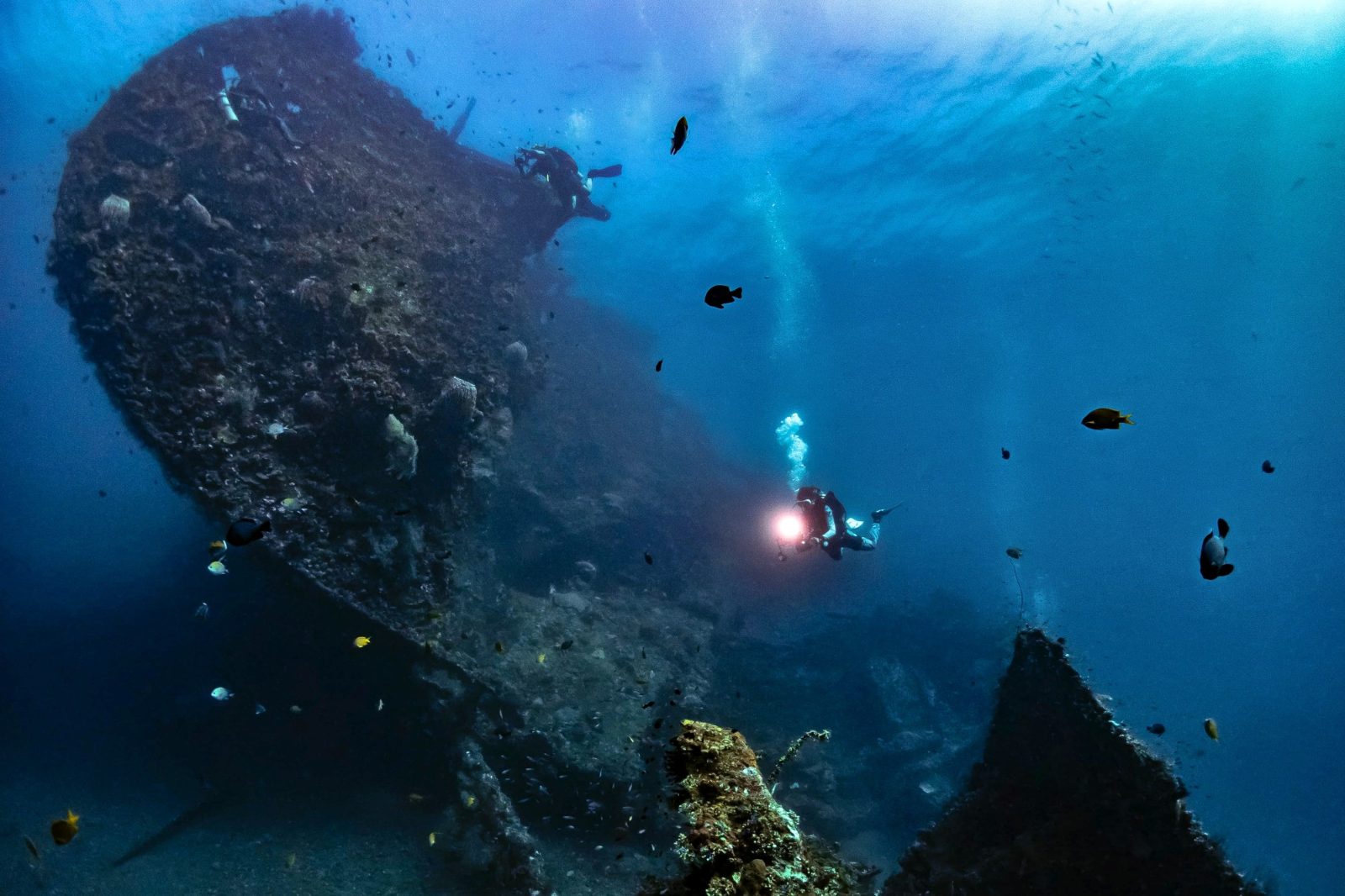
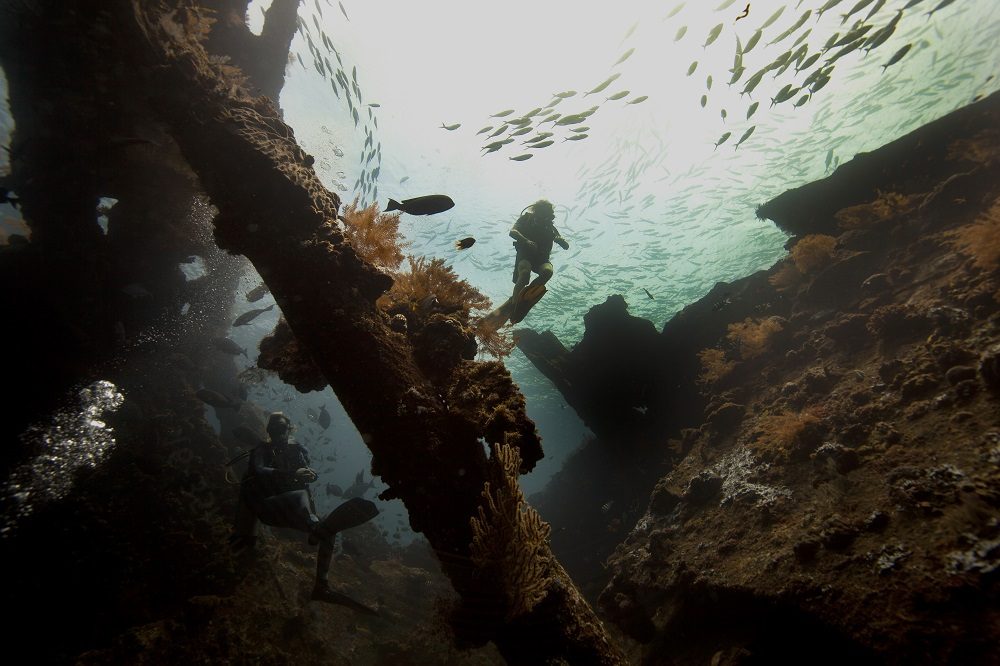
Your guide points to the Liberty's bow section, and you descend along the anchor line, equalising every two metres as the wreck's silhouette materialises below. At fifteen metres you finback along the hull, pausing where the mast structure juts from the deck, now a vertical garden of barrel sponges and whip corals. A school of bigeye trevally parts around you. After forty minutes you ascend slowly, safety stop at five metres, then surface to dawn light on Agung's ridgeline. The second dive moves to Amed's coral slope, a gentle drift over table corals where you spot a blue-ringed octopus in a crevice. Back on the boat, the crew serves ginger tea and fried bananas while you log the dives. By mid-morning you are rinsing gear in freshwater tanks, wetsuit drying on a line, already planning tomorrow's departure to Nusa Penida's manta-cleaning stations.
All the details about your upcoming adventure in one place
The USAT Liberty, a 120-metre American cargo vessel torpedoed in 1942, settled thirty metres off Tulamben's black-sand shore after Mount Agung's 1963 eruption shifted the wreck from its original beachside resting place.
Today the encrusted hull hosts pygmy seahorses, bumphead parrotfish and schooling jacks, drawing divers to what remains Indonesia's most accessible shipwreck dive. Bali's underwater topography spans three distinct zones: the volcanic drop-offs of the northeast coast, where Tulamben and Amed offer calm conditions and macro life; the current-swept channels around Nusa Penida, where oceanic mola mola and reef mantas congregate between July and October; and the shallow coral gardens of Padangbai's Blue Lagoon, a sheltered bay ideal for first-descent training dives.
The island's position at the confluence of the Indian Ocean and the Lombok Strait produces nutrient upwellings that sustain pelagic megafauna and hard-coral systems in equal measure. Visibility ranges from fifteen metres during the northwest monsoon to thirty-five metres in the dry season, with water temperatures holding steady between twenty-six and twenty-nine degrees Celsius year-round. Conservation fees, collected at marine-park entry points in Pemuteran and Menjangan, fund mooring-buoy systems that protect reef structure from anchor damage. Dive operators based in Sanur, Candidasa and Amed run daily departures to multi-site itineraries, with surface intervals spent on traditional jukung outriggers. PADI Open Water courses condense four days of pool and confined-water training into Bali's calm bays, certifying novices to eighteen metres before progression to advanced wrecks and drift dives. The Tulamben Liberty wreck remains diveable at all skill levels, with the superstructure beginning at five metres and the deck plates resting at thirty, while Nusa Penida's exposed sites demand advanced buoyancy control and current-reading experience. Underwater scooter-assisted tours now operate along the Liberty's length, and technical divers explore the deeper sections where the ship's boilers remain intact amid soft-coral colonisation.
The Liberty's encrusted hull hosts pygmy seahorses and schooling jacks thirty metres off Tulamben's black-sand shore.
Divers should wear swimwear under their clothes for easy changing at the bali diving trip site. Bring a change of dry clothes and a towel for after the session.
Keep valuables in a secure dry bag provided by your bali diving trip operator. Avoid bringing large luggage on smaller dive boats to maximize deck space.
Underwater cameras are permitted during any bali diving trip excursion. Secure all equipment with a lanyard to avoid damaging fragile coral reefs.
Family-friendly options for a bali diving trip are available for children with proper certification or through supervised discovery programs. Always confirm age minimums with your specific dive center.
Accessibility for a bali diving trip depends on the specific vessel and site infrastructure. Consult your operator regarding physical requirements for boat entry and water exit.
Most operators provide water and lunch on full-day bali diving trip tours. Hydration is vital; drink plenty of water between dives to prevent dehydration.
Opening Hours
00:00–23:59
Address
Bali, Indonesia
Site Access
Variable based on dive site location
Best arrival window
08:00–10:00
Storage
Depends on selected operator
Region
Bali, Indonesia
Car · Taxi · Use ride-hailing apps to reach your bali diving trip operator.
Private transfers are the most reliable way to reach port locations.
Most operators allow free cancellations up to 24–48 hours before the scheduled activity. Cancellations within this window may forfeit the deposit, noting that 0 IDR is charged for site access.
Recommended time
Full day
Planning your bali diving trip requires a full day to accommodate travel to coastal regions and multiple underwater sessions. Most bali diving trip tours focus on morning departures to ensure optimal visibility and calmer sea conditions, while bali diving trip tickets often include gear logistics and boat transit. We suggest arriving within the best arrival window of 08:00–10:00 to avoid mid-day boat traffic and maximize your marine life encounters.
Crowd levels through the day
Weather · crowds · average price — dots go green to amber to red as each metric rises.
Dry weather with stable surface conditions ideal for a bali diving trip.
Always perform a buddy check before entering the water for your bali diving trip.
Bali's underwater world remained largely unknown to recreational divers until the 1970s, when a handful of expatriate adventurers began exploring the volcanic reefs off Tulamben and Amed. The island's diving history pivoted in 1963 when Mount Agung erupted, reshaping coastlines and creating new topography beneath the Bali Sea. The USAT Liberty wreck, torpedoed by a Japanese submarine in 1942 and beached at Tulamben, slid fully underwater during the eruption's tremors, transforming into what would become Indonesia's most accessible shipwreck dive. Commercial dive operations emerged slowly through the 1980s as word spread among European and Australian enthusiasts about the nutrient-rich currents sweeping Nusa Penida's southern cliffs, where mola mola appeared seasonally in improbable numbers. The 1990s brought rapid expansion as Sanur and Candidasa developed small dive centers catering to certification courses and day trips. Menjangan Island in the northwest, protected within Bali Barat National Park since 1983, gained recognition for its wall dives and hard coral gardens. The Asian financial crisis of 1997 temporarily slowed growth, but the early 2000s saw a resurgence driven by budget airlines and digital marketing. A bali diving trip evolved from a niche pursuit into a cornerstone of the island's tourism economy, with operators offering everything from introductory pool sessions to technical rebreather expeditions. The 2002 Bali bombings and subsequent security concerns shifted some traffic to quieter eastern sites like Padang Bai and Gili Selang. By 2010, marine conservation efforts began formalizing around coral restoration and manta ray protection zones off Nusa Lembongan. The Coral Triangle's biodiversity made Bali diving tours a priority for environmental NGOs, resulting in mooring buoys at sensitive sites and stricter no-touch policies. Recent years have seen tension between mass tourism pressures and reef health, with some operators limiting group sizes and advocating seasonal closures. The pandemic pause of 2020–2021 allowed damaged reefs brief recovery time, and bali diving trip tickets now often include conservation fees directed toward monitoring programs and artificial reef deployment.
USAT Liberty torpedoed and beached at Tulamben
Mount Agung eruption slides Liberty wreck fully underwater
First recreational dive operations open in Tulamben and Sanur
Menjangan Island gains protection within Bali Barat National Park
Commercial dive centers proliferate along east and northwest coasts
Bali bombings temporarily redirect dive traffic to quieter eastern sites
Coral Triangle conservation initiatives formalize mooring and no-touch protocols
Pandemic closures allow limited reef recovery and operational restructuring
Position yourself near the barnacle-encrusted bow structure to capture the scale of this famous ship against the deep blue backdrop. This iconic site is a centerpiece for any bali diving trip and remains highly photogenic in clear water.
Find a stable position on the sandy bottom at a respectful distance to watch giant manta rays circling the cleaning station. This vantage point allows for wide-angle shots as they glide gracefully overhead.
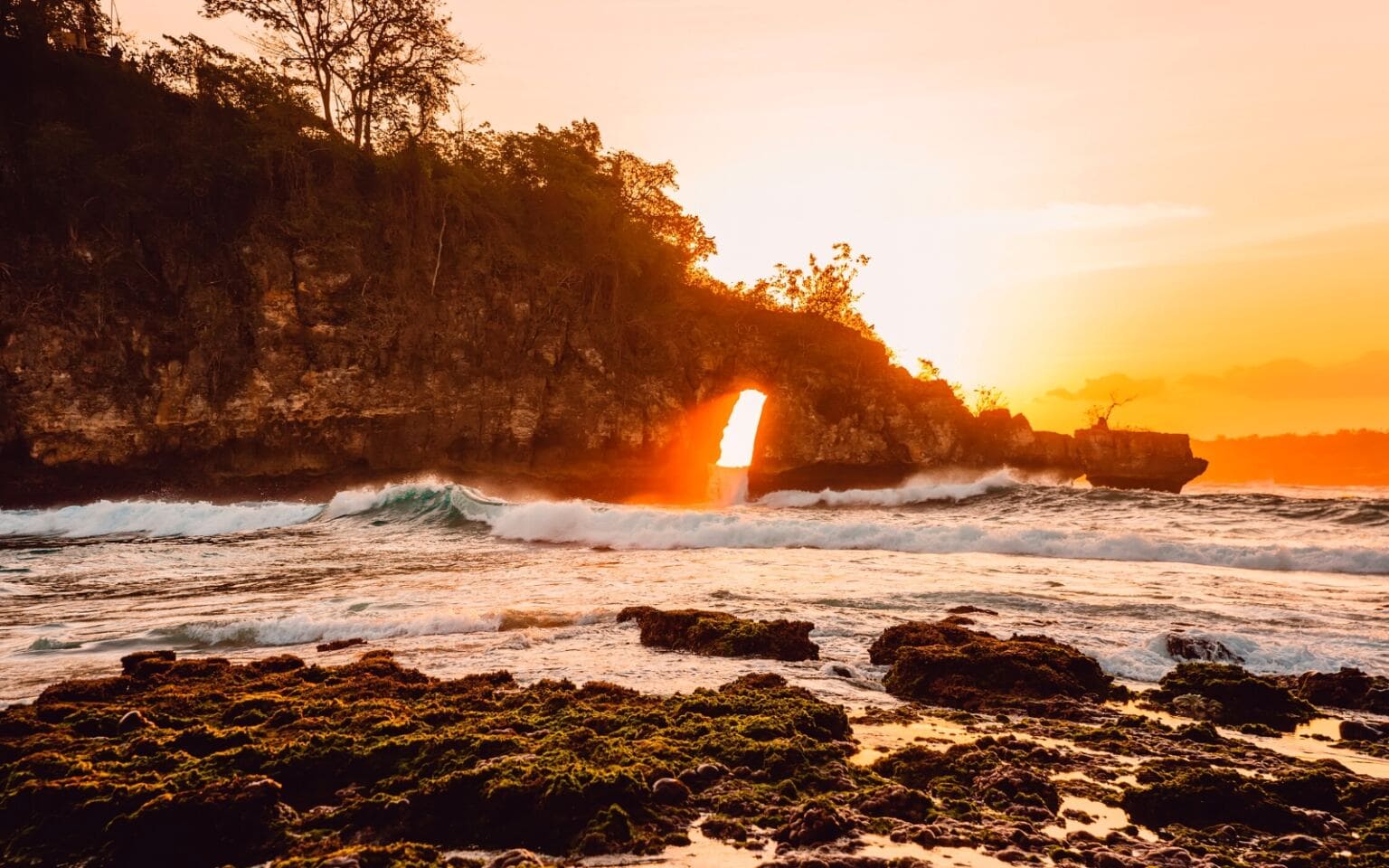
Frame your subject through the natural rock archway to add depth and perspective to your macro or wide-angle compositions. Photographers often use these bali diving trip tours to find the right currents for steady shooting.
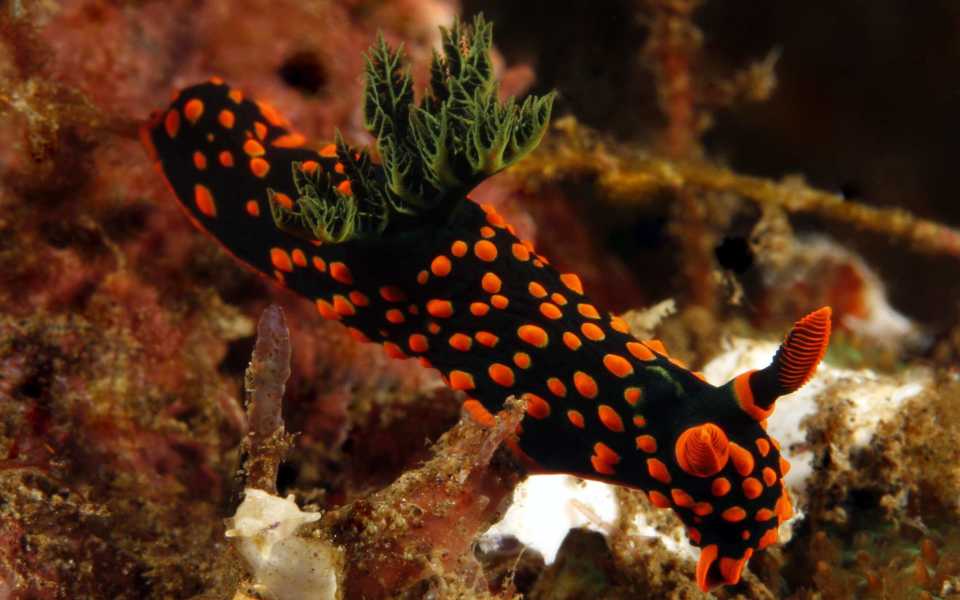
Focus your camera on the unique nudibranchs and pygmy seahorses that inhabit this volcanic sand slope. This location is essential for those seeking a detailed bali diving trip tour of the island's smaller marine life.
Planning a bali diving trip with your family requires careful preparation regarding marine safety and equipment rental for younger participants. These underwater excursions offer a unique perspective on coral reefs and tropical marine life across the island.
Most coastal areas are not stroller-friendly due to sandy terrain, so a baby carrier is recommended for your bali diving trip tours.
Minimum age requirements for diving typically start at 10 years old for junior certification, though snorkeling is suitable for younger children.
Look for operators that provide onsite baby-change facilities or family-friendly changing rooms to ensure comfort between your bali diving trip tour sessions.
To maintain optimal visibility and avoid strong currents, aim for the best arrival window of 08:00–10:00.
Families should secure their bali diving trip tickets in advance, as gear fitting and safety briefings require additional time before heading to the water.
Dining options near your bali diving trip range from casual beachside cafes to hearty refueling spots. Most visitors find convenient sustenance within a short walk of popular marine exploration hubs, though packing light snacks is recommended for those joining full-day bali diving trip tours.
This traditional spot serves fresh seafood and Indonesian classics, making it a perfect post-dive recovery meal. It is busiest during the mid-afternoon as groups return from their underwater excursions.;Bali Dive Cafe
Everything you need to know for your journey
The best time to visit is during the 08:00–10:00 arrival window for optimal visibility.
There is no standard gate fee; the entrance fee is 0 IDR, though specific dive sites may have conservation fees.
The operational hours are 00:00–23:59 daily.
Yes, you can bring your own gear, provided it is serviced and inspected by the operator before the bali diving trip.
Many operators offer discovery programs for non-certified divers interested in a bali diving trip.
Cancellations are subject to the operator's policy, usually requiring notice 24–48 hours before your bali diving trip.
Age restrictions vary by operator and site, so check requirements before booking your bali diving trip.
Yes, the sites are accessible 00:00–23:59 throughout the week for your bali diving trip.
Most guests utilize private transfers or taxi services to arrive at their chosen operator's meeting point for their bali diving trip.
A cliffside temple overlooking the Indian Ocean.
Coastal hotel near major dive boat harbors
Join thousands of happy travelers who have discovered this incredible experience
Book Your Experience Now