

Quick answer
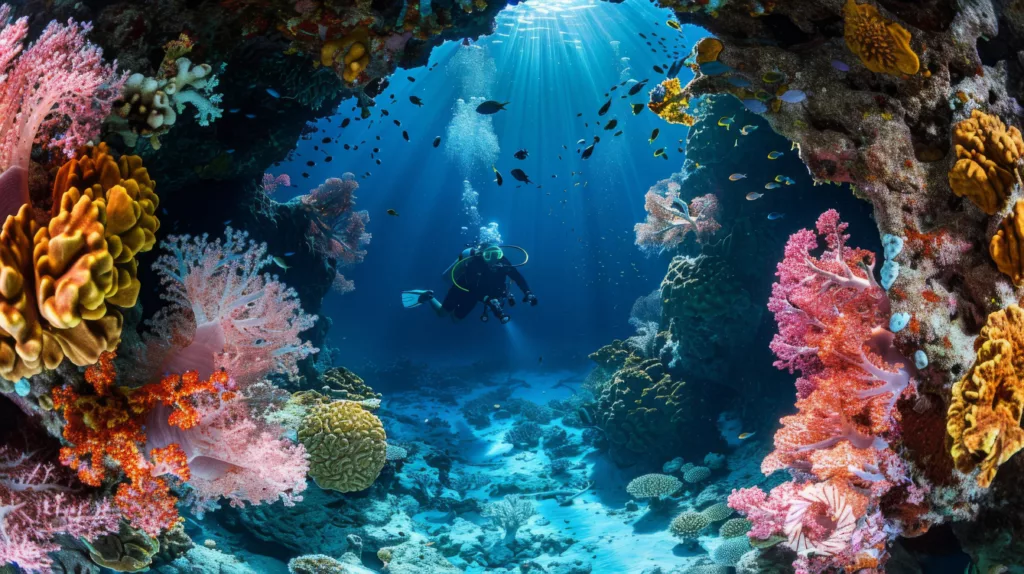
Bali diving spots span multiple coastal zones, each accessible daily from 08:00 to 18:00 through local dive operators. The primary sites include Tulamben for wreck diving on the USAT Liberty, Amed for macro photography along sloping reefs, Nusa Penida for pelagic encounters including manta rays and mola mola, and Padang Bai for accessible coral gardens. No entrance fees apply to the sites themselves; costs come from dive operator services, equipment, and boat transport.
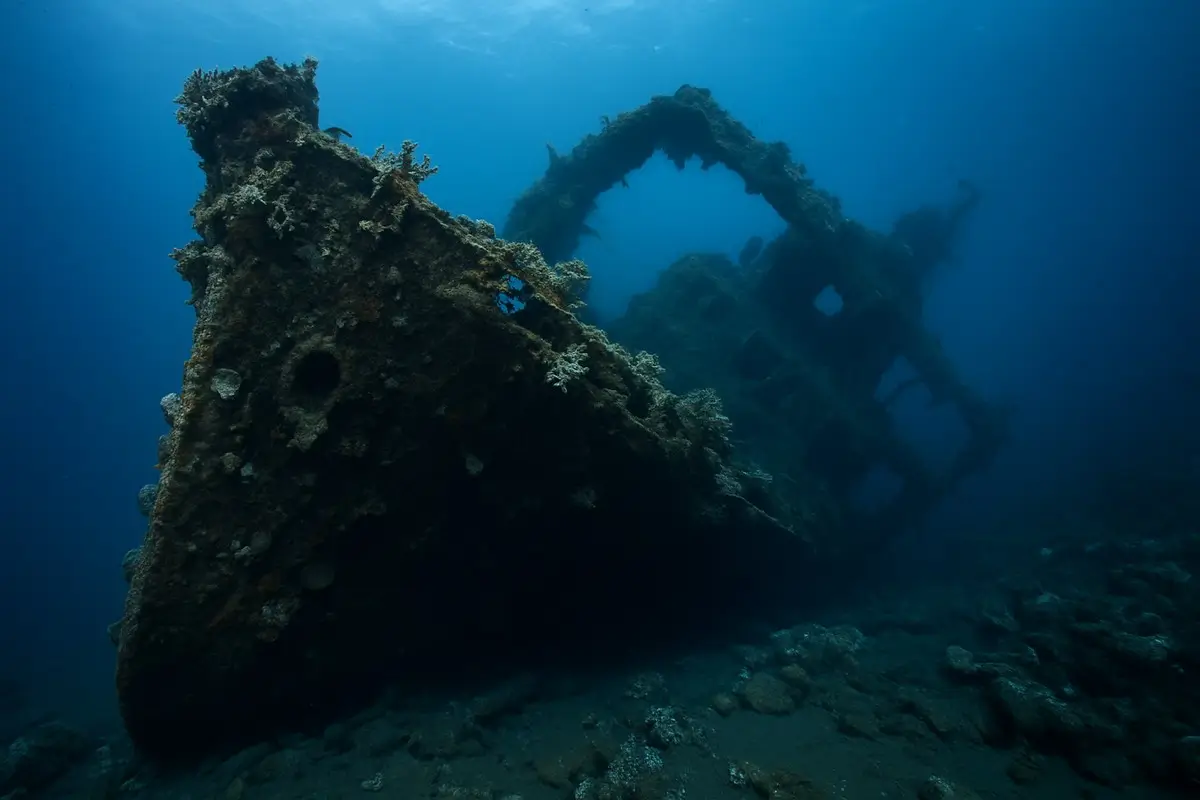
The USAT Liberty lies in shallow water off Tulamben's black sand beach, its structure colonized by soft coral and patrolled by schools of bumphead parrotfish. The wreck sits between three and thirty meters, making it accessible to new divers while offering photographers macro subjects in the hull's interior chambers. Morning departures from Tulamben village take ten minutes by foot from shore. Nusa Penida's south coast channels funnel nutrient-rich currents that attract manta rays to cleaning stations at Manta Point and bring seasonal mola mola to shallow plateaus between July and October. The currents demand attention—drift dives here move fast, and surface intervals happen on the boat rather than a beach. Operators launch from Sanur or Padang Bai, with crossing time around forty minutes depending on swell. Amed's coastline stretches seven kilometers along a slope that drops from five meters to forty, the reef structure built from hard coral terraces and volcanic rock formations. Visibility ranges from fifteen to thirty meters, clearest in the early morning before wind picks up. The protected bay supports critter hunting—pygmy seahorses, ghost pipefish, nudibranchs—without the currents that complicate southern exposures. Shore access means lower costs and flexible scheduling. Padang Bai's Blue Lagoon and Jepun sites sit within the harbor's natural protection, offering calm conditions when outer reefs turn rough. The sandy bottom hosts garden eels and stingrays, while the shallow coral bommies hold clownfish and invertebrates suitable for training dives and check-out sessions. Operators in the village service both Padang Bai's local reefs and run trips to Nusa Penida when weather allows. Dive shops cluster near the ferry terminal, equipment rental included in day rates. Tulamben and Amed maintain the highest site density on the island, with multiple entry points within a five-kilometer radius and infrastructure built around dive tourism.
“The USAT Liberty lies in shallow water off Tulamben's black sand beach, its structure colonized by soft coral and patrolled by schools of bumphead parrotfish.”
When to Visit Bali Diving Spots for Optimal Visibility
The best arrival window for Bali diving spots is 08:00–10:00 to ensure superior visibility and calmer water conditions before afternoon winds increase. Planning your dives within this timeframe provides the most stable environment across major sites.
Dry Season (April to October)
Moderate to high27°C to 30°C; low rainfall. Conditions remain stable with predictable currents for most sites.
Wet Season (November to March)
Lower27°C to 30°C; higher rainfall. Visibility may decrease due to runoff; check local conditions daily.
Daily Morning Window
Low to moderate—; calm water and best clarity. Arriving between 08:00 and 10:00 avoids afternoon wind surges.
Verdict: The optimal time for diving is during the dry season from April to October, arriving consistently within the 08:00–10:00 window.
Standard Operational Hours for Bali Diving Spots
Dive operator services in Bali maintain consistent operational hours throughout the week to support underwater activities across the island.
| Monday | 08:00–18:00 | |
|---|---|---|
| Tuesday | 08:00–18:00 | |
| Wednesday | 08:00–18:00 | |
| Thursday | 08:00–18:00 | |
| Friday | 08:00–18:00 | |
| Saturday | 08:00–18:00 | |
| Sunday | 08:00–18:00 |
Bali Diving Spots Pricing and Fee Structures
There is no direct entrance fee for accessing Bali diving spots. All costs are associated with professional dive operator services, such as equipment rental, boat transport, and guided dives.
Visitors pay 0 IDR for site access, with total costs determined by the specific dive operator chosen.
Top Bali Diving Spots and Underwater Landscapes
Bali offers diverse underwater environments ranging from volcanic black sand slopes to high-energy currents supporting megafauna. These key locations provide distinct diving experiences for various skill levels.
Tulamben
Home to the USAT Liberty shipwreck, this site features a shallow wreck covered in soft corals and home to schools of jacks.
Swim along the wreck deck for macro photography opportunities.

Amed
Known for its varied topography, Amed offers steep walls, coral gardens, and calm bays suitable for beginners.
Explore the Japanese shipwreck site in shallow waters for easy access.
Nusa Penida
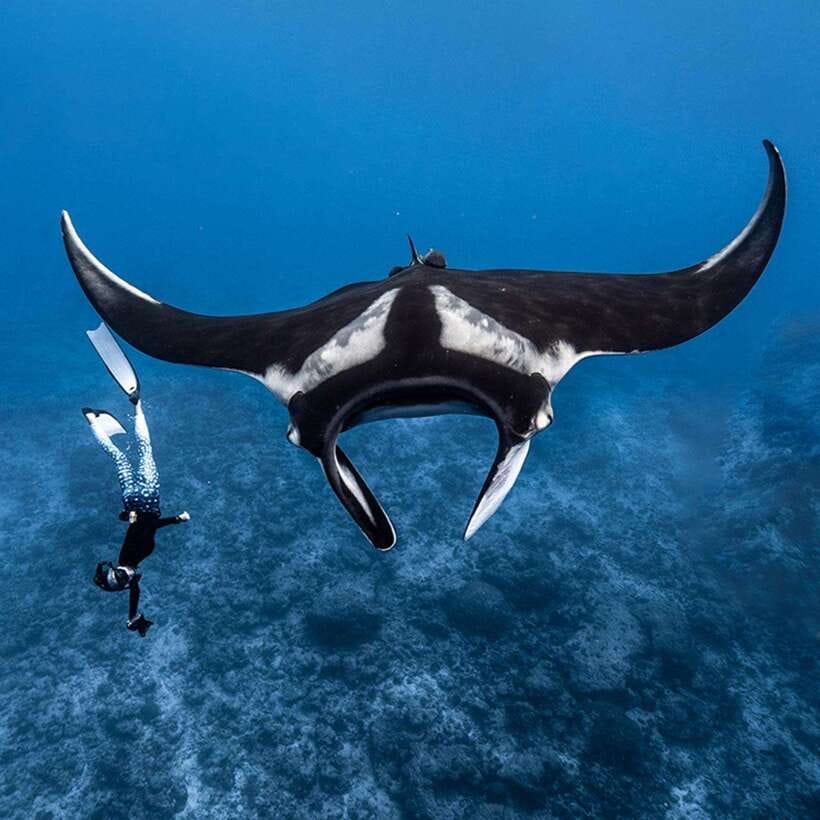
This area is characterized by strong currents and cool water, attracting large marine life including manta rays and mola mola.
Hold onto reef hooks if diving near Manta Point or Crystal Bay.
Padang Bai
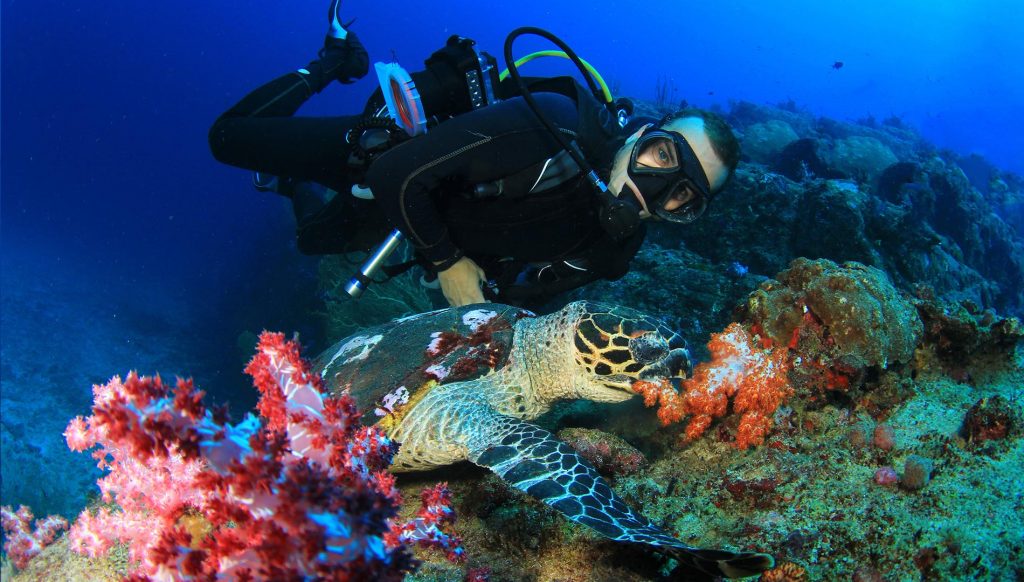
This location features a mix of muck diving and healthy coral reefs such as Blue Lagoon and Jepun.
Check under coral ledges for frogfish and juvenile reef sharks.
How to Reach Bali Diving Spots Across the Island
Diving spots in Bali are dispersed across the island, including areas such as Tulamben, Amed, Nusa Penida, and Padang Bai. Private transport is the most practical method to reach these locations efficiently.
Jalan Raya Tulamben to Tulamben
Jalan Raya Padang Bai to Padang Bai
Sanur Beach or Kusamba to Nusa Penida
Pre-Visit Checklist for Bali Diving Spots
Diving in Bali requires proper certification, documentation, and preparation to ensure safety and meet operator requirements.
-
Verify your dive certification is current — Most Bali operators require PADI Open Water or equivalent minimum certification.
-
Obtain dive medical clearance if needed — Some operators require medical approval for certain conditions or divers over 45.
-
Arrange dive insurance with recompression coverage — Hyperbaric chamber treatment costs can exceed $1,000 per session without coverage.
-
Book your dive operator in advance — Popular sites like Tulamben and Nusa Penida fill quickly during peak season.
-
Pack or arrange equipment rental — Most operators provide gear, but bringing your own computer and mask ensures proper fit.
-
Check your dive log and recent experience — Some advanced sites require logged dives within the past six months.
Check availability
Frequently asked questions about bali diving spots
Everything you need to know about bali diving spots